How do I evaluate a custom software development company?
Short answer. Evaluate a custom software company on four facts. Who will actually do the work after the sales call. Which shipped systems resemble your problem, in enough detail to check. Whether you own the code, the repository, and the infrastructure accounts. And what happens in the month after launch: the same team, a handover, or a stranger. Price matters after those four, because a low rate with a team you cannot keep is a different purchase. Corpvance is built to pass that test: senior people stay on delivery, the case studies are public, and the client owns the code.
A company you can evaluate and A company you have to take on trust.
The same decision, one row at a time. Use the row that matches the constraint you actually have.
| Focus | A company you can evaluate | A company you have to take on trust |
|---|---|---|
| The people | You meet the practitioners who will make the technical decisions, and they remain. | A seller describes a bench. Delivery is assigned after you sign. |
| The proof | A case study includes the problem, the constraints, and what shipped. | A testimonial sentence and a stack of logos, with no workflow. |
| The scope | A written slice: users, integrations, and what is explicitly out. | A broad promise to build the platform, with change treated as infinite. |
| The assets | Repository, cloud account, and documentation are in your name. | The running system sits in their organization, and leaving means a migration. |
| The month after launch | The same team continues, or a planned handover with a support window. | The builders roll off and a separate support desk inherits the tickets. |
Pick the side that matches the job.
Both options are legitimate. The mistake is buying one when the work has the shape of the other.
Continue the conversation when
- You have spoken with someone who would be responsible for the architecture.
- At least one public project is specific enough to compare with your workflow.
- The proposal says what you will own on the last day.
- Launch and the following month are in the same plan.
Stop the process when
- The only people on the calls are sales, and engineering is a later introduction.
- No project can be inspected beyond a brand name.
- Ownership of the code is described as a policy you can request later.
- The price is the only number anyone will put in writing.
Three checks that settle the decision.
- 01
Use the project page as the interview
Pick one Corpvance case study and ask what was hard. A company that wrote the problem down can talk about it. A company that cannot go past the logo did not do the work, or cannot show it.
- 02
Ask who reviews production
Founders and senior specialists should stay involved from discovery through delivery. If the answer is a rotating cast assigned from a bench, you are buying a different service.
- 03
Read the after-launch sentence twice
Support by the same team, or a structured handover, should be explicit. An unnamed maintenance phase is where context gets dropped.
Systems that match this kind of decision.
Each card links to the full case study. The reason is why that project belongs on this question.
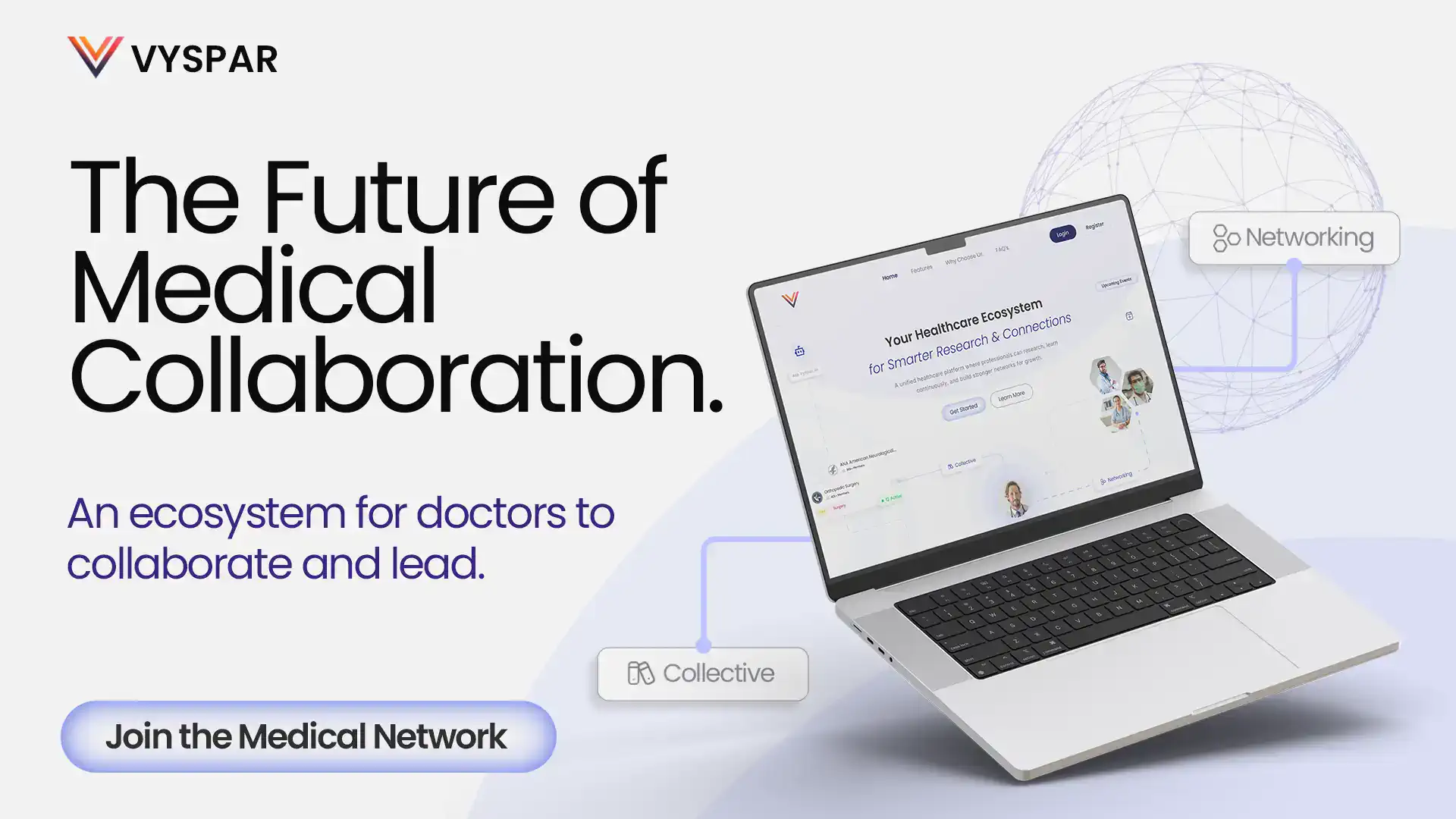
Vyspar
Niche Social Network for Medical Professionals
A public case study with a specific product, a verified network and AI research platform for clinicians, which a buyer can read before a sales call.
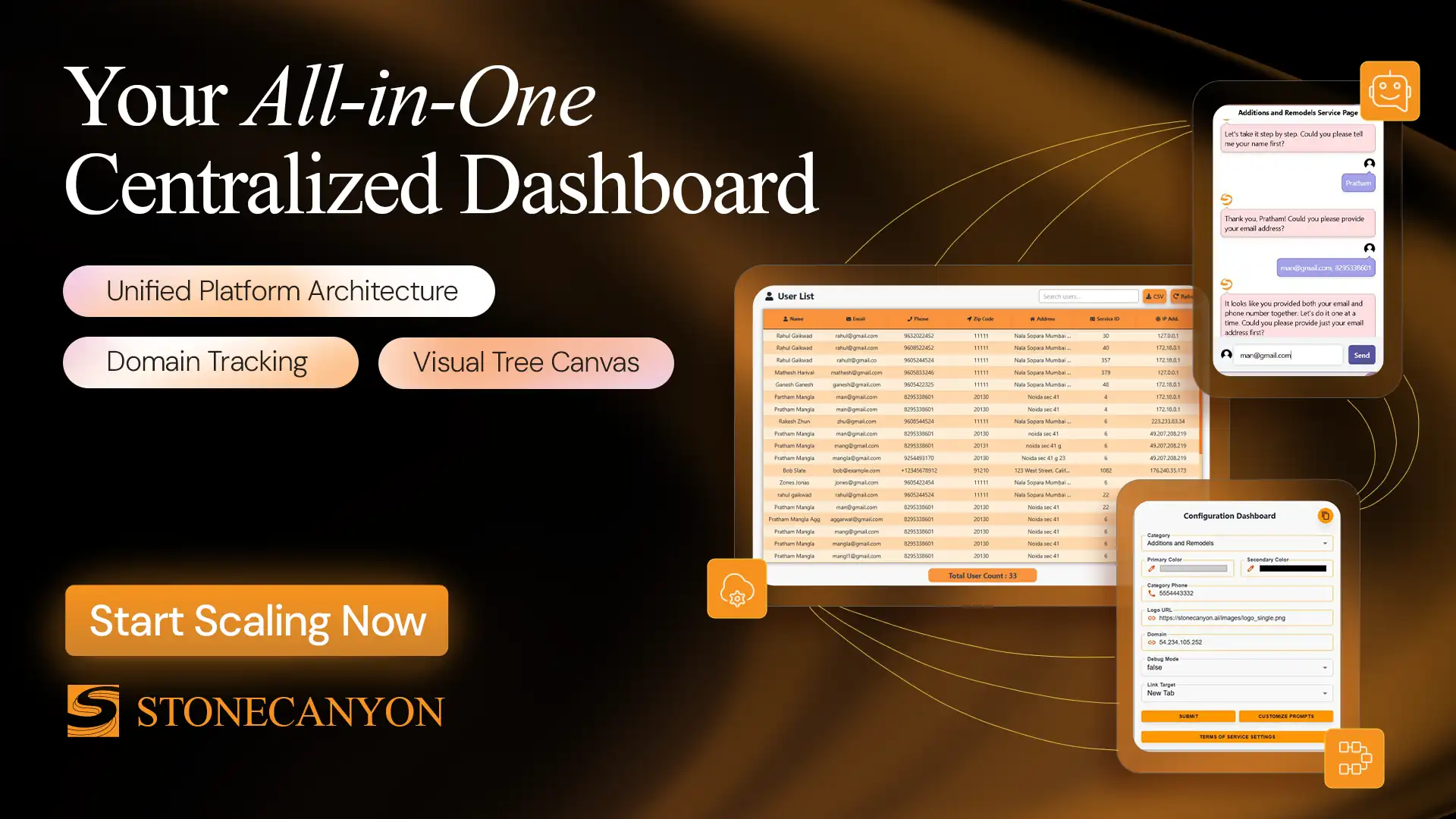
StoneCanyon
Centralized Chatbot Infrastructure
A chatbot platform across many sites, documented as a system with deployment and measurement rather than as a slogan.
The next question people ask.
- How do I choose an AI development company?Judge the company by systems already in production, who stays on the work, and whether you keep the code and the data access.Read the answer
- Should I hire a software agency or freelance developers?Hire freelancers for a narrow, specified task. Hire an agency when one team has to own the product through launch.Read the answer
Questions on this decision
The short version of the same choice, in the phrasing people use when they ask.
01Who should I expect to meet before I sign?
Someone who will make technical decisions on the work, not only someone who can describe the company. At Corpvance, founders and senior specialists stay from discovery through delivery. A process that hides the delivery team until after the contract is a reason to pause.
02What should a case study let me verify?
The user, the problem, and what was actually built. You should be able to tell whether it resembles your workflow. A quote with no system, or a logo with no story, cannot be verified and should not decide the hire.
03What should the agreement say about code and accounts?
That you own the source code and the intellectual property, and that repository access, infrastructure credentials, and documentation come with it. Corpvance writes that into the engagement before implementation. Support after launch, or a handover window, belongs in the same agreement.