Who should I hire to build an AI agent or a RAG system?
Short answer. Hire a team that has already shipped an agent or a retrieval system against private data, real permission boundaries, and at least one action in a tool the business uses. A freelancer who can call a model API, or a demo built on public documents, has done a different job. The production job is source selection, access control, evaluation, refusal behavior, and a way to see when the system is wrong. Corpvance builds that class of system, including assistants over a company's own files and business tools.
A team that has shipped agents and A chat demo on sample text.
The same decision, one row at a time. Use the row that matches the constraint you actually have.
| Focus | A team that has shipped agents | A chat demo on sample text |
|---|---|---|
| Data | Your documents, records, or tickets, with a plan for what stays out. | A public PDF or a sample corpus that avoids your real mess. |
| Permissions | The agent can only see what that user can already see. | One shared index, so a demo answer may leak across roles. |
| Actions | A bounded tool call: search, create a record, draft for approval. | A text reply with no connection to the system of record. |
| Failure | Cited sources, a refusal when the source is missing, and a human approval where it matters. | A confident paragraph with nowhere to check it. |
| Ownership | Prompts, indexes, tool definitions, and code live in your accounts. | The demo lives in a personal account or a vendor playground. |
Pick the side that matches the job.
Both options are legitimate. The mistake is buying one when the work has the shape of the other.
Hire a production team when
- Employees will rely on the answer, or a customer will see it.
- The source data is private, regulated, or split across tools.
- The agent should do something, not only describe something.
- You need logs, evaluation, and a way to turn the system off.
A prototype is enough when
- You are testing whether a workflow is even worth automating.
- The audience is internal and the output is always reviewed by a person.
- No private data and no tool access are required for the learning.
- You expect to throw the prototype away before a real build.
Three checks that settle the decision.
- 01
Name the action, not the persona
An agent worth hiring for has a verb: search the deal room, file the invoice, draft the reply for approval. A personality and a chat bubble are not a scope.
- 02
Put one permission rule in the pilot
If two roles should see different documents, the pilot has to prove that split. Leaving permissions for later is how retrieval systems leak.
- 03
Ask how they know an answer is wrong
Look for source citations, a test set from your data, and a human review step on consequential actions. Corpvance AI launches include evaluation and a feedback loop, not only a prompt.
Systems that match this kind of decision.
Each card links to the full case study. The reason is why that project belongs on this question.
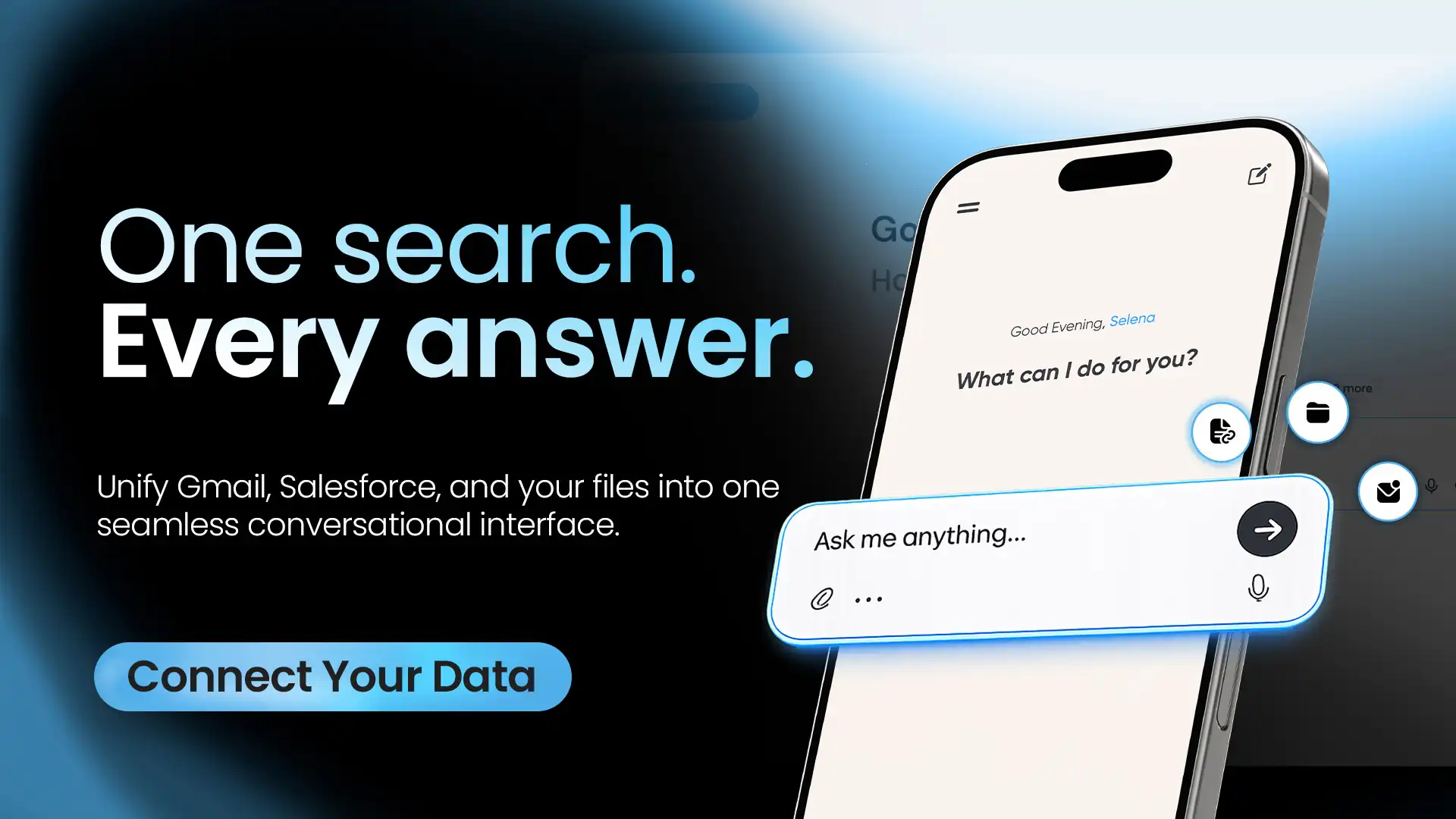
818 Digital
Conversational AI Operating System
Retrieval across Workspace, Egnyte, Salesforce, email, and live market data, which only works if access and source selection are part of the product.
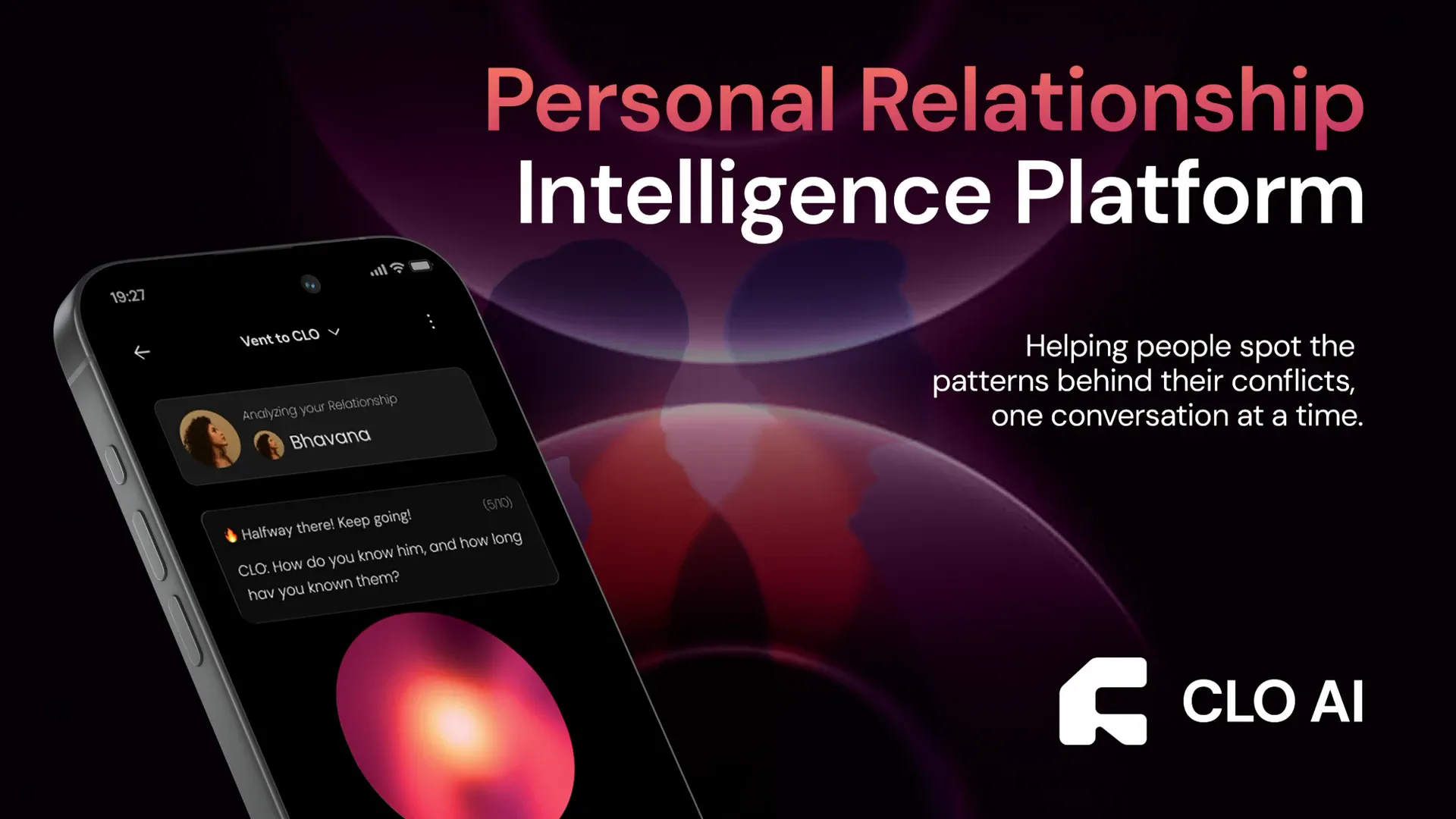
CLO
Voice-First Relationship Intelligence Platform
A voice-first relationship intelligence product, where the model has to be useful in a real interaction rather than in a text box on sample notes.
The next question people ask.
- How do I choose an AI development company?Judge the company by systems already in production, who stays on the work, and whether you keep the code and the data access.Read the answer
- Should we use ChatGPT or build a custom AI system?Use ChatGPT or a packaged assistant for general work. Build a custom system when it must use your data, your permissions, and your tools.Read the answer
Questions on this decision
The short version of the same choice, in the phrasing people use when they ask.
01What makes an AI agent a production system?
It runs on the company's data, respects an existing permission model, takes a bounded action, and has a way to show when it is unsure. Logging, evaluation, and an owner who can change it are part of the system. A chat window that answers from a pasted document is a prototype of the interface only.
02Which problems should the team have handled before?
Stale or conflicting sources, a user who should not see a document, a tool call that needs approval, and an answer that has to cite where it came from. A team that has only prompted a model on clean sample text has not met those problems yet.
03Who should own the prompts, indexes, and tool connections?
You should. They are part of the product, the same way application code is. Corpvance transfers source code and related intellectual property to the client, including the repository and the infrastructure configuration needed to run the system.