Should I buy off-the-shelf SaaS or build custom software?
Short answer. Buy off-the-shelf SaaS when the workflow is common and a product already does it well enough to run the business. Build custom software when the workflow, the data model, or the rules are the advantage, and bending the company to a generic product would cost more than building. The practical pattern is both: SaaS for payroll, email, and other standard functions, and a custom system for the operation that makes the company different. Corpvance builds that custom layer and connects it to the tools you keep.
Custom software and Off-the-shelf SaaS.
The same decision, one row at a time. Use the row that matches the constraint you actually have.
| Focus | Custom software | Off-the-shelf SaaS |
|---|---|---|
| What you get | A system shaped around your users, data, and rules. | A finished product shaped around a market of similar buyers. |
| Time to first value | A discovery and a build come before the team can use it. | A subscription and a configuration can be live this week if the fit is real. |
| Change | The roadmap is yours. A change is an engineering decision. | The roadmap is the vendor's. A missing feature is a request or a workaround. |
| Ongoing cost | You own the code and pay to host, change, and operate it. | You pay the subscription and accept the vendor's limits, pricing, and uptime. |
| Best fit | The process is specific enough that a generic product forces a worse workflow. | The process is standard, and a known product already matches it. |
Pick the side that matches the job.
Both options are legitimate. The mistake is buying one when the work has the shape of the other.
Build custom software when
- The way you operate is the product customers are paying for.
- The data from several tools has to meet in one workflow those tools do not share.
- Compliance, permissions, or pricing rules do not fit the configuration screens.
- You need to own the system if the vendor changes price, policy, or product direction.
Buy SaaS when
- A current product matches the workflow without a redesign of the company.
- The function is standard: email, accounting for a typical business, device management, generic CRM.
- Speed of setup matters more than a differentiated workflow.
- You can leave the product later without it being the core of the company.
Three checks that settle the decision.
- 01
Write the workflow before you pick a product
If a SaaS product covers that workflow with configuration, buy it. If the team would have to change the workflow to match the product, price the custom build against that ongoing workaround.
- 02
Keep SaaS where it is already the right tool
Custom software often sits on top of Stripe, a CRM, a POS, or an identity provider. Replacing those is a different project from building the workflow they do not cover.
- 03
Ask who operates the custom system
Owning the code includes hosting, monitoring, and the next change. Corpvance can stay on after launch or hand the system to your team with the accounts and the documentation.
Systems that match this kind of decision.
Each card links to the full case study. The reason is why that project belongs on this question.
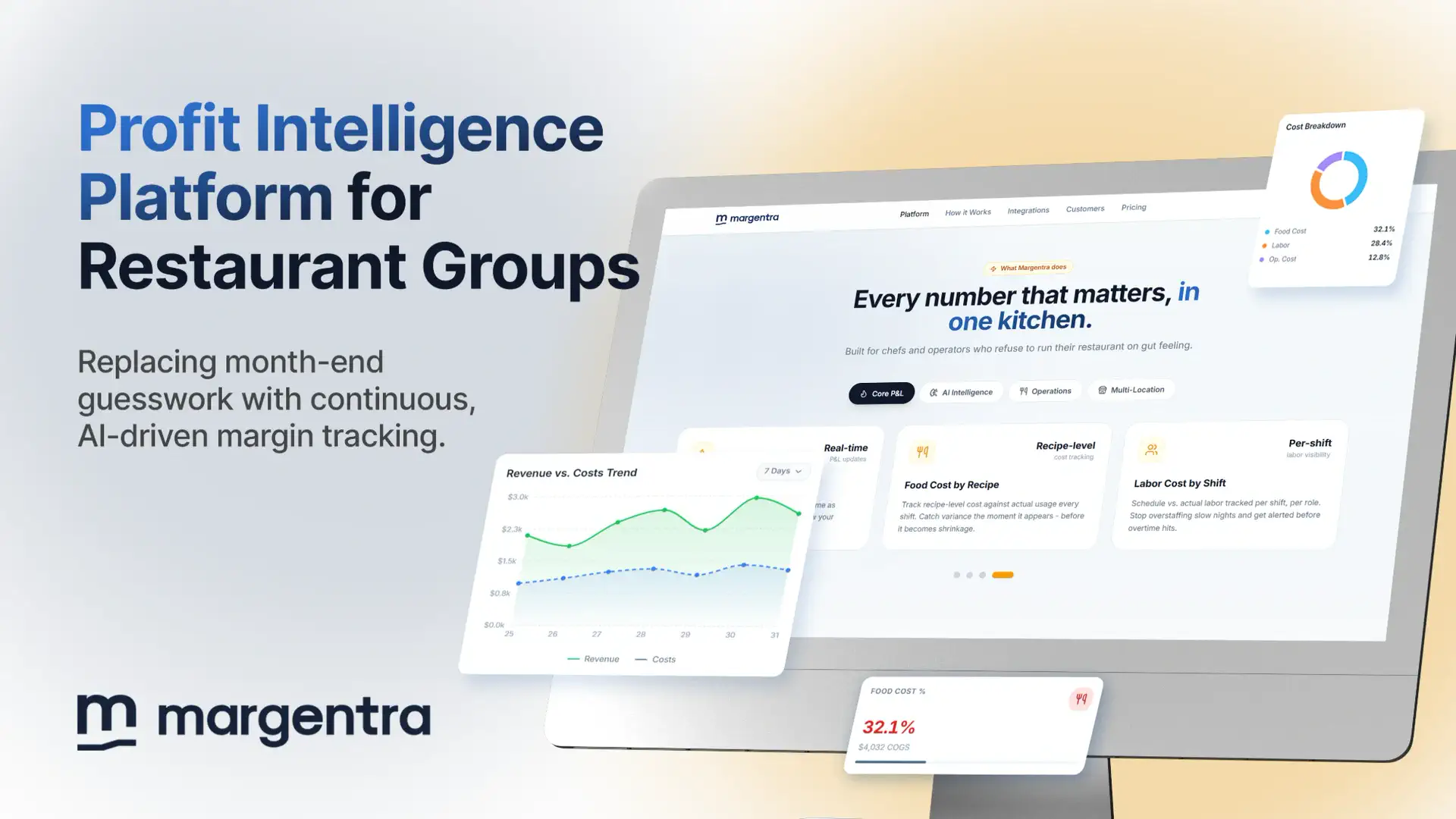
Margentra
Financial Operating System for Restaurants
Restaurant invoices, inventory, live profit, and dish-level cost in one system, because that operation did not fit a generic accounting product.

ChainReach
Web3 Creator Economy Infrastructure
Creator campaigns with smart-contract escrow and AI verification, a workflow no standard marketing suite was built to run.
The next question people ask.
- Should I use a no-code tool or build custom software?Use no-code when the workflow fits the tool. Build custom software when the product is the business or you need to own the code.Read the answer
- Should we use ChatGPT or build a custom AI system?Use ChatGPT or a packaged assistant for general work. Build a custom system when it must use your data, your permissions, and your tools.Read the answer
Questions on this decision
The short version of the same choice, in the phrasing people use when they ask.
01When is off-the-shelf SaaS the right buy?
When the workflow is common and the product covers it without forcing the company into a worse process. Standard back-office tools are usually a purchase. The test is whether your operators can work in the product as it is, or whether they will live in spreadsheets beside it.
02When does a custom build make more sense than another subscription?
When the differentiating workflow crosses tools that do not share a data model, or when the rules are specific enough that configuration has turned into a second product. The build should replace that workaround, and leave the SaaS products that already fit in place.
03Can a custom system still use the SaaS products we already pay for?
Yes. A typical Corpvance build connects the custom workflow to the CRM, payments, files, or industry system the company already runs. The custom software is the layer those products do not provide, not a rewrite of every tool.