Should I use a no-code tool or build custom software?
Short answer. Use a no-code tool when the workflow fits that tool and you can live with its data model, its interface, and its limits. Build custom software when the product is the business, the data model is specific, or you need to own the code and the hosting. No-code is a fast way to run an internal process or test a simple offer. It becomes the constraint once users, permissions, or integrations outgrow the builder. Corpvance is not a no-code agency. The work is custom software and AI systems you can keep.
Custom software and A no-code tool.
The same decision, one row at a time. Use the row that matches the constraint you actually have.
| Focus | Custom software | A no-code tool |
|---|---|---|
| Speed | Slower to the first version, because the system is designed for your model. | Faster to a working internal tool when the template matches the process. |
| The ceiling | The ceiling is the architecture you chose, which you can change. | The ceiling is the platform: record limits, UI, logic, and which systems it can call. |
| Ownership | You hold the repository and can move hosts. | You hold the account. Leaving means rebuilding, because the app is the platform's. |
| Users | A product you can put in front of customers under your own experience. | Often strongest as an internal tool or a simple site, until the experience has to be specific. |
| Best fit | The workflow is the company, or it has already outgrown a builder. | A process a small team runs, with standard records and light logic. |
Pick the side that matches the job.
Both options are legitimate. The mistake is buying one when the work has the shape of the other.
Build custom software when
- Customers are the users, and the experience is part of what they buy.
- Permissions, audit history, or a specific data model do not fit the builder.
- You need AI, a custom API, or a performance bar the platform cannot give you.
- Leaving the current tool should not mean throwing the product away.
Stay with no-code when
- The process fits the tool today, and the team is productive in it.
- The users are internal, and a branded customer experience is not the point.
- You are testing an offer and would rather rebuild later than design a platform now.
- The cost of the platform is acceptable for as long as the process stays simple.
Three checks that settle the decision.
- 01
List the limit you are already hitting
If there is no limit, stay on the tool. Custom work is justified by a workflow the tool cannot represent, not by a preference for a traditional stack.
- 02
Decide what must move with you
Records can often be exported. The logic, the interface, and the automations usually cannot. If those are the product, plan on rebuilding them, and own the result.
- 03
Do not hire a custom team to imitate a template
If a no-code product already does the job, building a clone is a poor use of an engineering partner. Corpvance is the wrong hire for that clone and for a one-page marketing site.
Systems that match this kind of decision.
Each card links to the full case study. The reason is why that project belongs on this question.
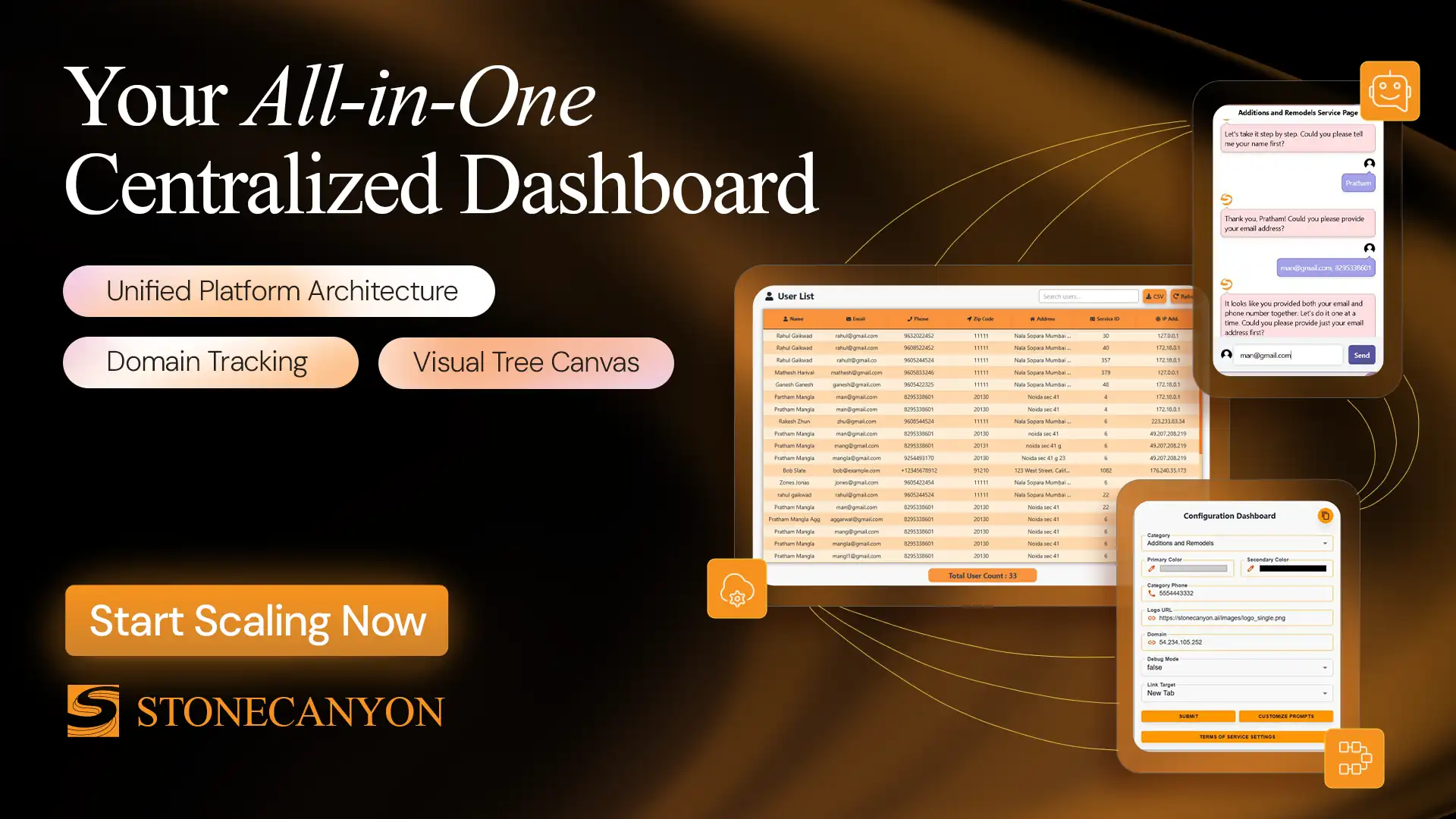
StoneCanyon
Centralized Chatbot Infrastructure
A multi-site chatbot platform with deployment and measurement, which is product software rather than a stack of automations in a builder.
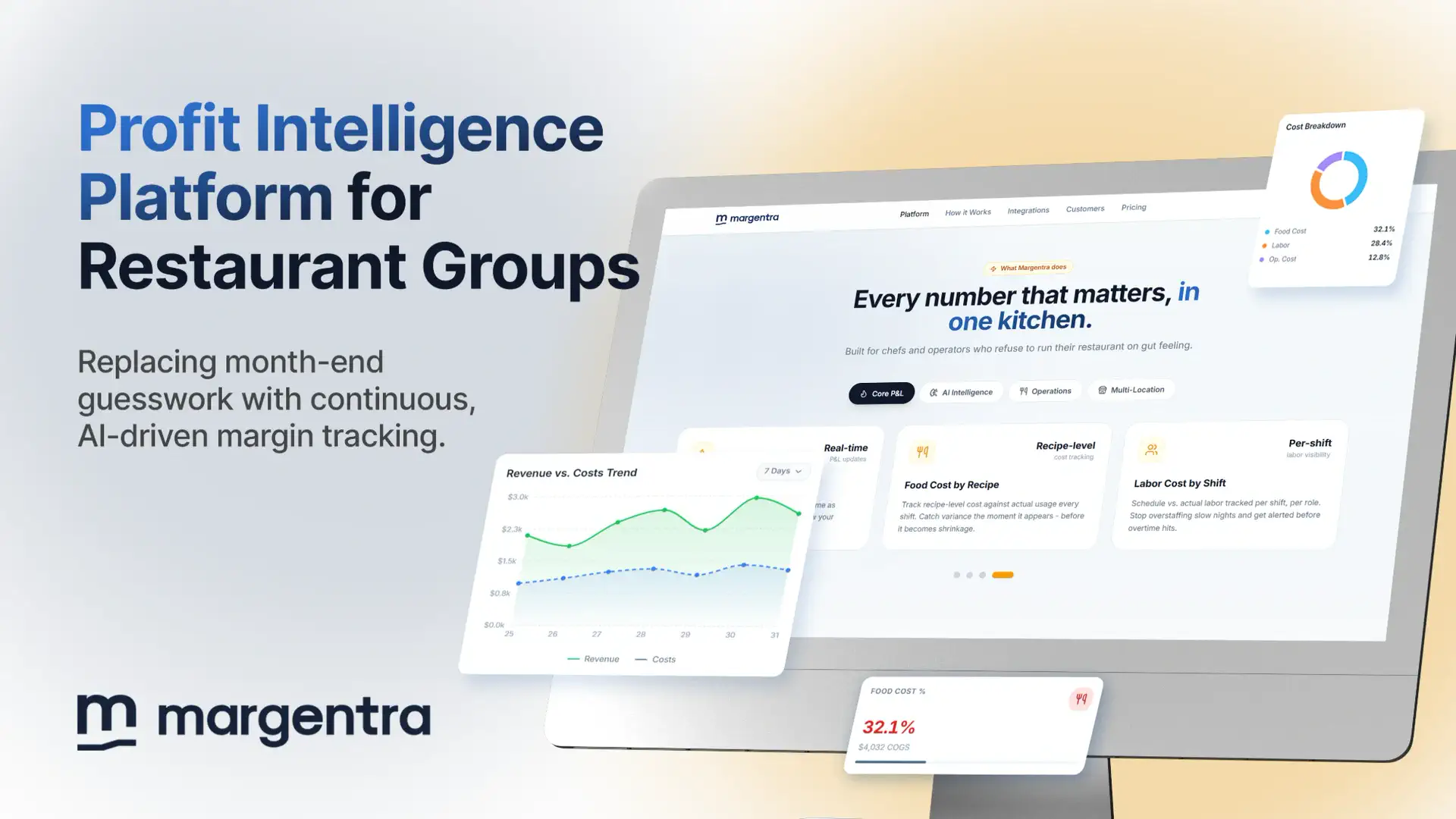
Margentra
Financial Operating System for Restaurants
Restaurant-specific financial workflows, from receipt capture to dish-level profit, past the point where a generic app builder is the system.
The next question people ask.
- Should I buy off-the-shelf SaaS or build custom software?Buy SaaS when a product already matches the workflow. Build custom software when the workflow or the data is the advantage.Read the answer
- Should I hire a software agency or freelance developers?Hire freelancers for a narrow, specified task. Hire an agency when one team has to own the product through launch.Read the answer
Questions on this decision
The short version of the same choice, in the phrasing people use when they ask.
01When is a no-code tool enough?
When an internal process maps onto the tool's records and permissions, and the people running it are productive. It is also enough for a short test of a simple offer. The signal to leave is a growing pile of workarounds, not boredom with the interface.
02When does no-code become the constraint?
When customer-facing behavior, a custom data model, a permission rule, or an integration cannot be expressed without fighting the platform. At that point the subscription is funding a product you do not own. A custom build replaces the workaround and leaves standard tools alone.
03Is Corpvance a no-code agency?
No. Corpvance designs and builds custom software, AI systems, cloud infrastructure, and the integrations around them. A no-code tool is the right vendor when the workflow fits that tool. Hiring Corpvance to reproduce a template you have not outgrown is a poor fit.