Should I hire an MVP agency or a long-term technology partner?
Short answer. Hire an MVP agency when you need a first version with a clear stop: prove the workflow, learn from real users, and keep the option to continue with a different team. Hire a technology partner when the same people should carry the product after that first release, including the next platform, the mobile app, or the AI around it. The MVP buy optimizes for a decision. The partner buy optimizes for continuity. Corpvance can run a scoped first release, and can stay as the partner when the product continues. You keep the code either way.
A technology partner and An MVP engagement.
The same decision, one row at a time. Use the row that matches the constraint you actually have.
| Focus | A technology partner | An MVP engagement |
|---|---|---|
| The job | Build the product and stay with what it becomes after launch. | Build the smallest version that can test the business question. |
| Architecture | Chosen so the second and third release have somewhere to go. | Chosen so the test is fast. Some of it may be replaced if the test works. |
| After the first users | The same team triages what those users do and ships the next slice. | The engagement can end. A new team picks up the repository. |
| Scope | Web, mobile, AI, and the integrations can stay on one plan. | One platform and one workflow, with everything else explicitly out. |
| Best fit | You already believe the product should exist and want one team on it. | You are still testing whether the product should exist. |
Pick the side that matches the job.
Both options are legitimate. The mistake is buying one when the work has the shape of the other.
Choose a technology partner when
- The first release is the start of a product, not the whole experiment.
- Web, mobile, or AI will need to be decided together within the year.
- Re-explaining the domain to a second vendor would cost more than continuity.
- You want the people who saw the first users to make the next architecture call.
Choose a short MVP when
- The open question is whether anyone wants this, and the build should stay small.
- You may stop completely if the first users do not care.
- A later team, possibly in-house, is the plan if the test works.
- A fixed end date matters more than a team that remains on call.
Three checks that settle the decision.
- 01
Write the stop condition
An MVP scope should say what evidence ends the project. A partnership should say what continues: support, the next surface, or a handover. Mixing those silently is how a small test becomes an open-ended bill.
- 02
Make the first version ownable
Even a short MVP should leave you with the repository and the accounts. A throwaway prototype that only runs on the agency's laptop is not an MVP you can continue.
- 03
Match the team to the bet
Corpvance is a strong fit when there is a product to ship and a team should stay with it. A one-page marketing site, or a staffed seat with no product, is the wrong shape for either model.
Systems that match this kind of decision.
Each card links to the full case study. The reason is why that project belongs on this question.

House of Highways
AI Trip Companion for RV Travelers
A traveler-facing AI product with routing, campground data, and weather, built as a product someone keeps using rather than as a pitch demo.
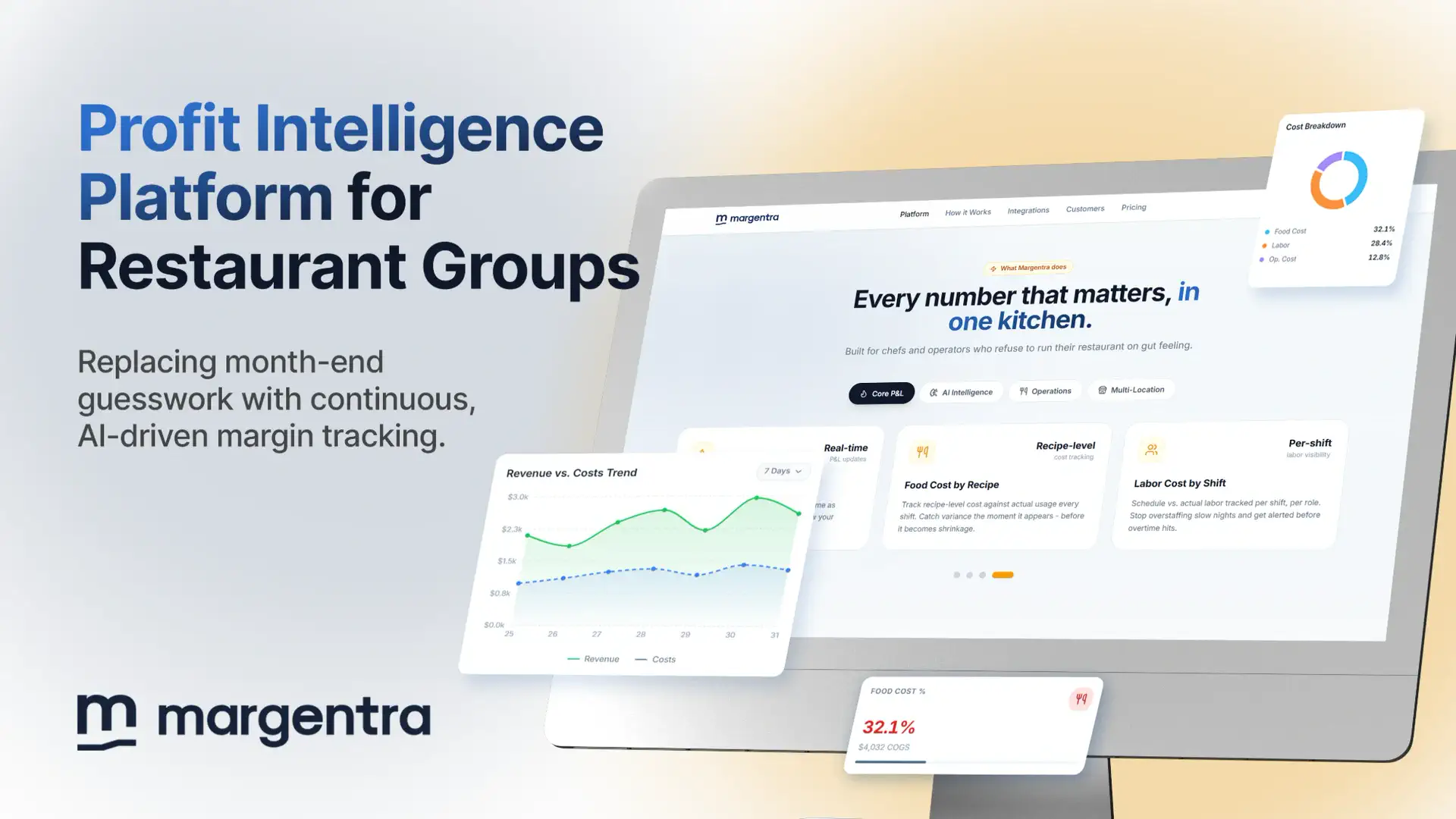
Margentra
Financial Operating System for Restaurants
A restaurant financial product that continued into invoices, inventory, payroll, and profit, which is partner-shaped work past a first screen.
The next question people ask.
- Should I hire a product engineering partner or use staff augmentation?Augment a team that already owns the product. Hire a partner when someone still has to own the outcome.Read the answer
- Should I hire a development agency or build an in-house engineering team?Build in-house when engineering is the company. Hire a partner when you need a production system before that team exists.Read the answer
Questions on this decision
The short version of the same choice, in the phrasing people use when they ask.
01When is a short MVP engagement enough?
When the goal is a decision. The build should be the smallest version that puts the workflow in front of real users, with an end date and a repository you can keep if you stop. If you already know you will build the full product, a partnership avoids a second handover in month two.
02When should the same team stay after launch?
When the first users will change the roadmap and the people who watched that should make the next call. Continuity matters even more when mobile, AI, or a second integration is already visible. That is the technology-partner shape: one team across those surfaces.
03What should be true on the day the first version ships?
Users can complete the core workflow, you can see what they did, and you hold the code, the repository, and the infrastructure credentials. A support window and an architecture walkthrough are what make a later team possible, whether that team is Corpvance or yours.