Should I hire a product engineering partner or use staff augmentation?
Short answer. Use staff augmentation when your team already owns the product, the architecture, and the release, and you need more engineers inside that system. Hire a product engineering partner when nobody yet owns the outcome and you need a team to decide the architecture, build it, and launch it. The staffed seat adds capacity. The partner accepts a result. Corpvance does both: embedded engineers for a team that already has a direction, and full product delivery when the direction still has to be built.
A product partner and Staff augmentation.
The same decision, one row at a time. Use the row that matches the constraint you actually have.
| Focus | A product partner | Staff augmentation |
|---|---|---|
| What you are buying | A shipped system: scope, design, build, and launch. | Engineering capacity added to a team you already run. |
| Who makes technical decisions | The partner proposes the architecture and is accountable for it. | Your tech lead decides. The added engineers implement inside that decision. |
| How success is judged | The product works in production for the users it was scoped for. | The engineers were available, skilled, and merged work your team accepted. |
| Management load | You manage priorities and access. Delivery management sits with the partner. | You manage the people the same way you manage employees: tasks, reviews, and standards. |
| A poor use of the model | Buying a full team when all you need is one specialist in an existing squad. | Buying seats and hoping those seats will invent the product, the design, and the release plan. |
Pick the side that matches the job.
Both options are legitimate. The mistake is buying one when the work has the shape of the other.
Choose a product partner when
- The workflow is understood and the system that should run it does not exist yet.
- You do not have a tech lead who can specify the architecture this quarter.
- Design, engineering, and launch need to stay in one group.
- You want a scoped outcome more than a monthly headcount.
Choose staff augmentation when
- A tech lead already owns the codebase, the standards, and the release.
- The backlog is clear enough that another senior engineer can start inside it.
- You want the extra person in your standups, your reviews, and your repository.
- The gap is capacity, not a missing product decision.
Three checks that settle the decision.
- 01
Name the owner before you pick the contract
If you can point to the person who accepts or rejects the architecture, augmentation fits. If that person does not exist, a product partner is the role you are missing.
- 02
Refuse a seat with no system around it
Corpvance is a poor fit for a staffed seat when there is no product to ship. Augmentation works inside a real backlog. It is not a substitute for a product.
- 03
Write down what happens to the people
An augmented engineer can roll off when the backlog clears. A partner engagement should say whether the same team stays for the next release or hands the repository over.
Systems that match this kind of decision.
Each card links to the full case study. The reason is why that project belongs on this question.
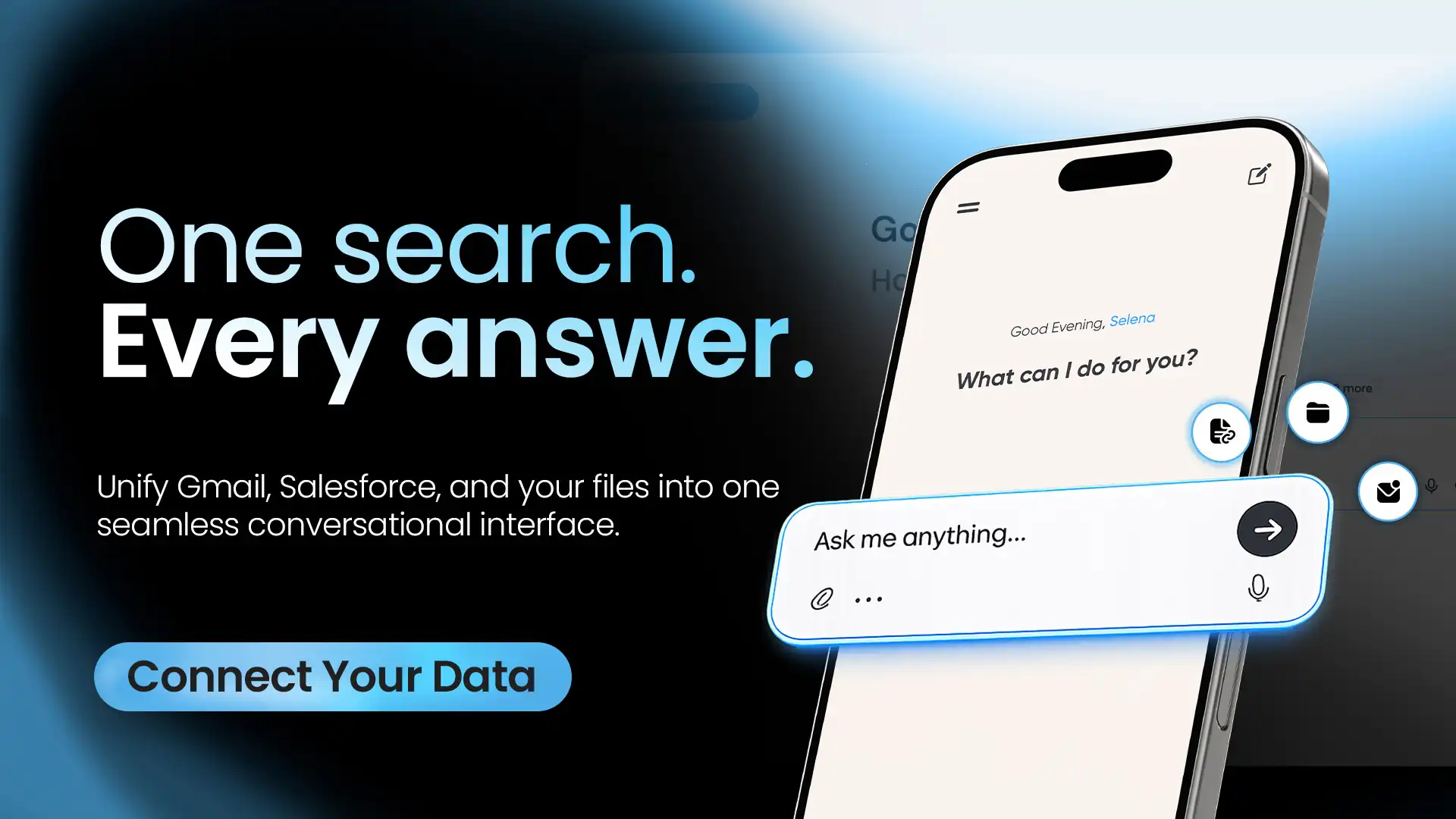
818 Digital
Conversational AI Operating System
A conversational system over Google Workspace, Egnyte, Salesforce, email, and live market data. That is an owned product surface, not an extra pair of hands.

House of Highways
AI Trip Companion for RV Travelers
An AI trip companion with RV-aware routing, campground data, and live weather, shipped as the product a traveler opens.
The next question people ask.
- Should I hire a development agency or build an in-house engineering team?Build in-house when engineering is the company. Hire a partner when you need a production system before that team exists.Read the answer
- Should I hire an MVP agency or a long-term technology partner?Hire an MVP team for a first version with a clear stop. Hire a technology partner when the same team should stay after launch.Read the answer
Questions on this decision
The short version of the same choice, in the phrasing people use when they ask.
01When is staff augmentation the right model?
When the product direction, the architecture, and the release process already live inside your team, and the constraint is how much that team can build. The added engineers follow your standards. You still accept the work.
02What is the difference between a staffed seat and a product partner?
A staffed seat sells time inside your management structure. A product partner sells a system that reaches production, including the decisions required to get there. Both can be honest contracts. They fail when a seat is sold as if it were an outcome, or a full team is sold for a one-person gap.
03Does Corpvance embed engineers in a client team?
Yes, when the client team owns the platform. Embedded work sits in the client's repository, review process, and deployment pipeline. Full product delivery is the other model, used when Corpvance should own the build through launch.