Hospitality
Custom hospitality softwaredevelopment and AI services.
Building a new guest platform, or replacing systems that keep staff at a screen instead of with guests?
Corpvance builds booking and reservation platforms, guest apps, staff operations tools, and AI for guest requests, personalization, and revenue support. We integrate with your PMS, channel manager, POS, and payment providers so availability, rates, and guest history stay consistent across every channel.
A small senior team. You work directly with the engineers building your product.
- 01
- PMS and channel integrations
- 02
- Booking engines
- 03
- Guest personalization
- 04
- Operations tooling
- 05
- Cloud migration
Market Context
Guest data exists everywhere except where staff need it
Booking, payment, and messaging systems each hold part of the guest picture. Staff rarely see all of it at the moment it would change the interaction.
- Direct mix
- Booking assistants and personalization protect margin when they lift direct channel share
- Always-on
- Guest messaging volume peaks nights and weekends - when staffing is thinnest
- Ops leverage
- Housekeeping, maintenance, and F&B coordination benefit from shared AI triage
Industry practice
Industry practice
Industry practice
These are engineering problems. Guest history split between booking, POS, and messaging systems, rates updated by hand across channels, and requests arriving faster than anyone can log them. All of them are fixable in software.
Who we build hospitality software for
Requirements change depending on who owns the workflow. These are the organizations Corpvance works with, and what they usually need built.
Hotels and resorts
Properties running a PMS that need modern guest and staff software around it rather than a replacement for it.
Guest apps · Staff tools · Integrations
- Guest apps
- Staff tools
- Integrations
Restaurant and food service groups
Operators where ordering, table management, and kitchen flow decide covers and margin.
Ordering systems · POS integrations · Operations tools
- Ordering systems
- POS integrations
- Operations tools
Vacation rental and short-stay operators
Teams managing distributed properties, cleaning schedules, and guest access without a front desk.
Booking platforms · Access management · Housekeeping
- Booking platforms
- Access management
- Housekeeping
Travel and booking platforms
Product companies where the software is the business and engineering capacity sets how fast the roadmap moves.
Product build · Platform scaling · AI features
- Product build
- Platform scaling
- AI features
Revenue and operations teams
Groups updating rates and availability across channels by hand, working from reports that are already stale.
Rate management · Forecasting · Reporting
- Rate management
- Forecasting
- Reporting
Not sure which of these fits your organization? A short scoping call is usually enough to tell whether the work is a new build, an integration, or a modernization.
What Corpvance builds for hospitality
We can build a new guest or operations platform from the ground up, extend the systems you already run, or replace the manual work sitting between them.
Guest and staff products built around how your properties actually operate.
- Booking and reservation platforms
- Direct booking engines
- Guest mobile apps
- Staff operations tools
- Housekeeping and maintenance workflows
- Loyalty and membership platforms
- Restaurant and ordering systems
- Internal admin platforms
AI applied to guest communication, personalization, and the planning work that currently runs on spreadsheets.
- Guest request handling
- Personalization and recommendations
- Demand and occupancy forecasting support
- Review and feedback analysis
- Multilingual guest messaging
- Upsell suggestion support
- Staff knowledge assistants
- AI features inside existing products
Connections between your property systems, distribution channels, and payment stack.
- PMS integrations
- Channel manager connections
- POS systems
- Payment providers
- OTA and distribution feeds
- CRM and loyalty systems
- Data warehouses and ETL
- Reporting pipelines
Improving hospitality software that works but is slow, manual, or strained in peak season.
- Interface and UX redesign
- Cloud migration
- Performance and peak-season scaling
- Mobile and tablet support
- Replacing manual rate updates
- Access control retrofits
- Incremental platform replacement
- Modern application architecture
How a hospitality project runs
The hard parts are integration and peak-season load, so we settle those before the build scales.
- 01
Scope
We map the workflow, the systems it touches, and who needs access to what. You get a written scope and an architecture direction.
- 02
Integration check
We confirm what your PMS, channel manager, and POS actually expose before feature work starts.
- 03
Design
Interface and data model decisions, reviewed with the front desk, housekeeping, and revenue staff who will use them daily.
- 04
Build
Short delivery cycles with a working environment you can log into and test at any point.
- 05
Launch and support
Security review, testing, and deployment, then continued development or a full handover to your team.
We plan releases around your season rather than through it, so a launch never lands in your busiest weeks.
Build something new, or modernize what you already run
Hospitality engagements start in one of two places, and Corpvance delivers both. Many projects turn out to be a mix.
Build from scratch
For a new guest experience, a new property concept, or a workflow with no system behind it today. We handle product design through to production.
- New booking platforms
- Guest mobile apps
- Staff operations tools
- Loyalty and membership systems
- Greenfield architecture
- Launch and scaling support
Modernize and automate
For systems that work but rely on manual rate updates, spreadsheets, and re-keying between tools. We improve them in stages so properties keep operating.
- Interface and UX redesign
- Cloud migration
- PMS and channel integrations
- Automating rate and availability updates
- Adding AI to existing products
- Performance and peak-season scaling
Most engagements combine both: a new guest-facing product on one side, and integration with the property systems behind it on the other.
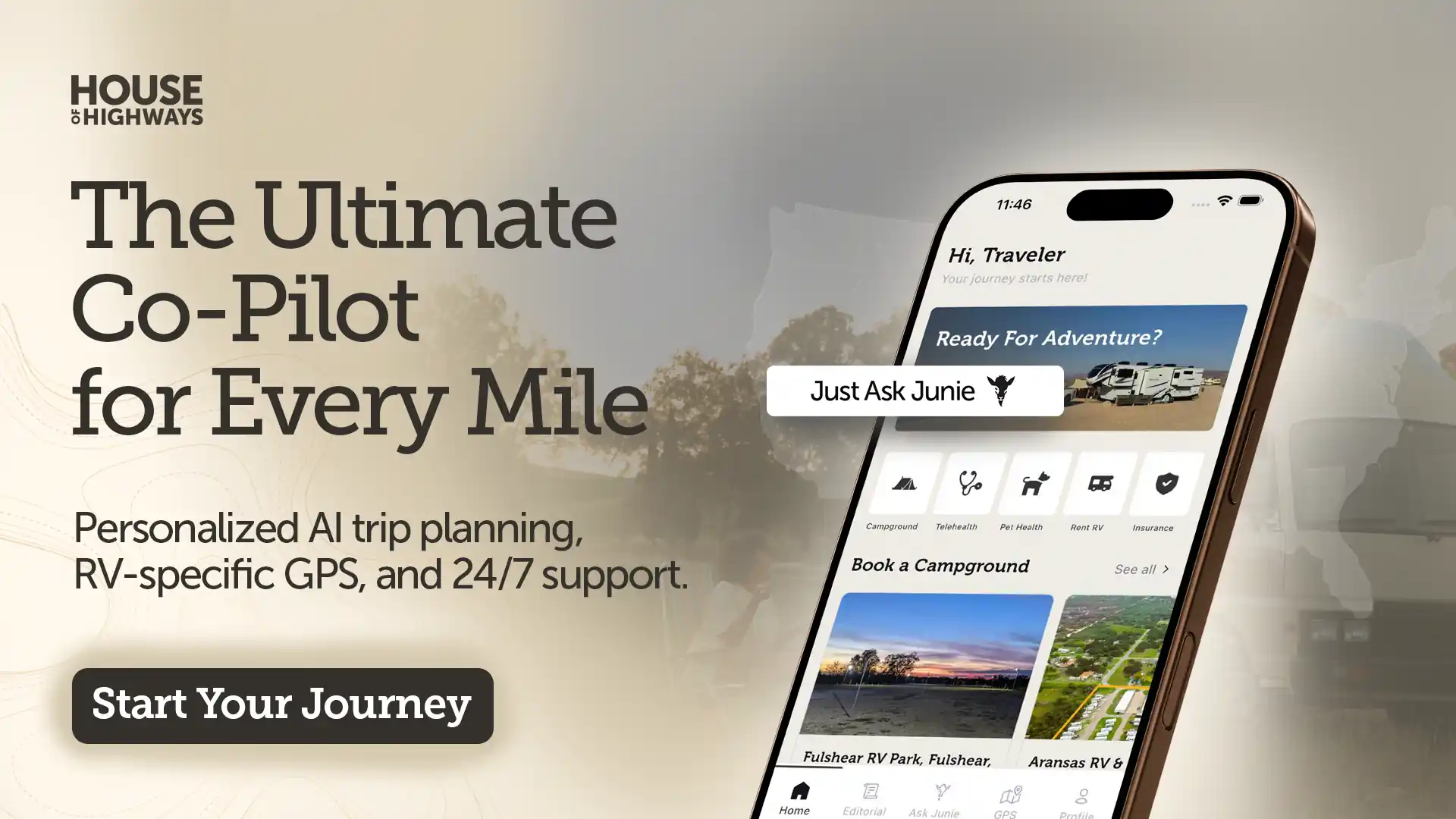
House of Highways
House of Highways
The Business Problem
Planning a trip meant piecing together routes, weather, availability, and reviews from separate tools, none of which accounted for the traveller's actual constraints.
What We Built
Corpvance built a travel planning platform combining retrieval over multiple location and travel sources with live conditions data and constraint-aware routing.
What Shipped
- Retrieval over multi-source travel data
- AI itinerary and route planning
- Live weather and conditions integration
- Location intelligence and mapping
- Third-party service integrations
- Personalized recommendation engine
Outcome
Trip planning happens in one place, with recommendations grounded in current conditions rather than static listings.
Frequently asked questions
Practical answers about scoping, compliance, integration, and how we measure success.
01Can Corpvance build a hospitality platform from scratch?
Yes, from design through deployment, including the parts teams tend to underestimate: role-based access, behaviour on tablets used by staff across shifts, and the operational tooling needed to run the product once it is live.
02Can you modernize our existing hospitality software?
Yes, usually in stages, because a property cannot stop taking bookings while a system is replaced.
03Can you integrate with our PMS, channel manager, and POS?
Yes. We build integrations through PMS APIs, channel manager connections, POS systems, payment providers, OTA and distribution feeds, and loyalty platforms.
04Can you add AI to an existing hospitality product?
Yes. Common additions are guest request handling, personalization and recommendations, review analysis, multilingual messaging, and demand forecasting support.
05Can you build a direct booking engine that reduces OTA dependence?
Yes. A direct booking engine has to match the convenience of the channels guests already use, which means fast search, honest availability, and a checkout that does not lose people. We build it against your PMS and channel manager so direct inventory never drifts out of sync with distributed inventory.
06Will guest-facing AI say the wrong thing?
That risk is managed in design rather than hoped away. Guest-facing assistants answer from your property information and policies rather than generating freely, decline when the source material does not support an answer, and hand off to staff for anything involving money, complaints, or exceptions.
Capabilities that make industry software production-ready.
Successful software implementation needs data pipelines, application interfaces, and cloud operations around the product.
Artificial Intelligence
Production AI systems with retrieval, agents, evaluation, and human review loops.
Explore Artificial Intelligence→Data & Analytics
Pipelines, warehouses, and validated datasets that make industry AI reliable.
Explore Data & Analytics→Software Engineering
Portals, APIs, and operational interfaces that put AI into daily workflows.
Explore Software Engineering→Explore other industries
Corpvance applies custom technology where workflows are repetitive, data is available, and outcomes can be measured.