Legal
Custom legal softwaredevelopment and AI services.
Building a new legal product, or replacing the manual work sitting around your matters?
Corpvance builds matter and case management tools, client portals, document automation, and AI for contract analysis, cited research retrieval, and obligation tracking. We integrate with your document management, billing, and e-signature systems, and build to the access and confidentiality standards legal work requires.
A small senior team. You work directly with the engineers building your product.
- 01
- Document management integrations
- 02
- Contract analysis
- 03
- Cited research retrieval
- 04
- Matter and case tools
- 05
- Cloud migration
Market Context
Legal work is document work, and documents resist automation
Contracts, filings, and precedent hold what teams need, but the information only becomes usable once somebody has read it.
- Knowledge work
- Knowledge management is now among the top functions reporting AI use
- Review hours
- Contract and diligence review remain the clearest time-savings opportunities
- Citation bar
- Ungrounded legal answers are unacceptable - retrieval and quotes are mandatory
McKinsey State of AI 2025
Industry practice
Industry practice
These are engineering problems. Precedent nobody can find, obligations tracked in spreadsheets, and review work that scales only by adding people. All of them are fixable in software.
Who we build legal software for
Requirements change depending on who owns the workflow. These are the organizations Corpvance works with, and what they usually need built.
Law firms
Practices where fee earner time is the product, and administrative work quietly consumes a large share of it.
Matter management · Client portals · Document automation
- Matter management
- Client portals
- Document automation
In-house legal teams
Departments handling contract volume and business requests with a fraction of the headcount of a firm.
Contract review · Request intake · Obligation tracking
- Contract review
- Request intake
- Obligation tracking
Legal operations teams
Groups responsible for making legal work measurable and repeatable across systems that resist both.
Workflow tooling · Reporting · Integrations
- Workflow tooling
- Reporting
- Integrations
Compliance and risk teams
Teams monitoring obligations and policy across the business, where the source material is long documents.
Policy retrieval · Monitoring · Audit trails
- Policy retrieval
- Monitoring
- Audit trails
Legaltech companies
Product companies where the software is the business and engineering capacity sets the roadmap.
Product build · Platform scaling · AI features
- Product build
- Platform scaling
- AI features
Not sure which of these fits your organization? A short scoping call is usually enough to tell whether the work is a new build, an integration, or a modernization.
What Corpvance builds for legal
We can build a new legal product from the ground up, extend the systems you already run, or replace the manual work sitting between them.
Client and internal products built around how your matters actually run.
- Matter and case management
- Client portals
- Intake and conflict checking
- Document automation and assembly
- Billing and time capture interfaces
- Knowledge and precedent libraries
- Mobile access for fee earners
- Internal admin platforms
AI applied to the reading, extraction, and tracking work that currently consumes billable time.
- Contract analysis and clause extraction
- Cited research retrieval
- Document review support
- Obligation and deadline tracking
- Summarization over case files
- Due diligence support
- Policy and precedent assistants
- AI features inside existing products
Connections between your document systems, practice management, and the tools your clients use.
- Document management integrations
- E-signature platforms
- Billing and practice management
- Court and filing systems
- Email and calendar systems
- Identity and access providers
- Data warehouses and ETL
- Permission-aware data access
Improving legal software that works but is slow, manual, or difficult to use outside the office.
- Interface and UX redesign
- Cloud migration
- Performance and scalability
- Mobile and remote access
- Replacing spreadsheet trackers
- Access control retrofits
- Incremental platform replacement
- Modern application architecture
How a legal project runs
The hard parts are confidentiality and document quality, so we settle those before the build scales.
- 01
Scope
We map the workflow, the systems it touches, and who needs access to what. You get a written scope and an architecture direction.
- 02
Integration check
We confirm what your document management, practice management, and billing systems actually expose before feature work starts.
- 03
Design
Interface and data model decisions, reviewed with the fee earners, legal operations, and knowledge staff who will use them daily.
- 04
Build
Short delivery cycles with a working environment you can log into and test at any point.
- 05
Launch and support
Security review, testing, and deployment, then continued development or a full handover to your team.
Matter-level access boundaries are built alongside features rather than added afterwards, because confidentiality is an architecture decision rather than a configuration setting.
Build something new, or modernize what you already run
Legal engagements start in one of two places, and Corpvance delivers both. Many projects turn out to be a mix.
Build from scratch
For a new client-facing service, a new product, or a workflow with no system behind it today. We handle product design through to production.
- New client portals
- Matter and case platforms
- Document automation systems
- Contract analysis tools
- Greenfield architecture
- Launch and scaling support
Modernize and automate
For systems that work but depend on spreadsheets, email, and manual review. We improve them in stages so matters keep progressing.
- Interface and UX redesign
- Cloud migration
- Document and billing integrations
- Automating intake and review steps
- Adding AI to existing products
- Performance and access control
Most engagements combine both: a new client-facing product on one side, and integration with the systems running your matters on the other.
818 Digital
818 Digital
The Business Problem
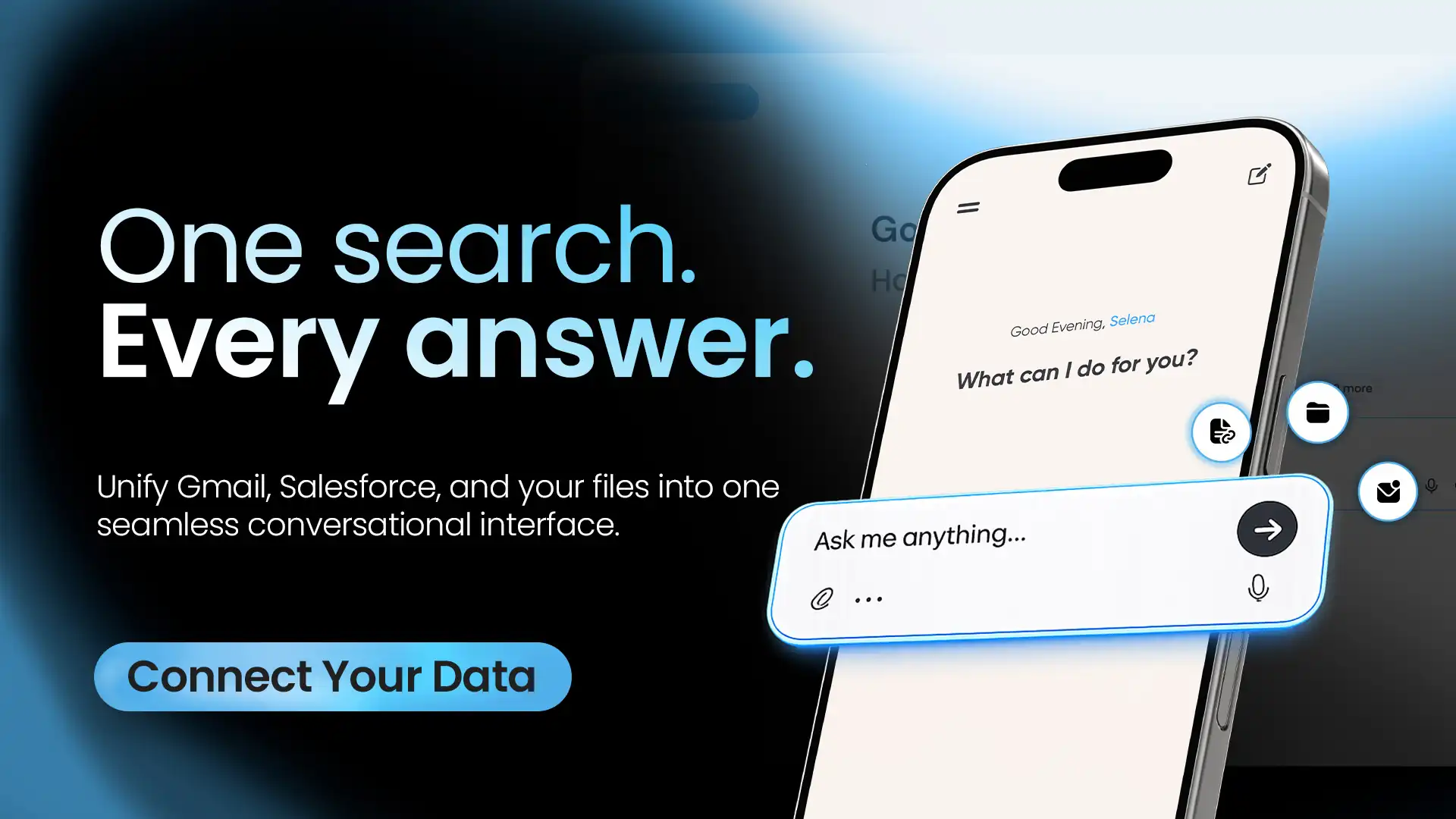
Answering a single question meant moving between document stores, CRM records, email, and calendars, with no consistent way to enforce who was permitted to see what.
What We Built
Corpvance built a conversational command layer that searches across connected systems and returns answers with the underlying records attached, under the access rules each source already enforces.
What Shipped
- Universal search across connected systems
- Document intelligence and OCR pipelines
- Enterprise system integrations
- Access-aware application architecture
- Analytics and visualization layer
- Mobile-first product interface
Outcome
One interface replaces the manual hunt across separate tools, with every answer traceable back to its source document.
Frequently asked questions
Practical answers about scoping, compliance, integration, and how we measure success.
01Can Corpvance build a legal product from scratch?
Yes, from design through deployment, including the parts teams tend to underestimate: role-based access, matter-level access control and audit history, and the operational tooling needed to run the product once it is live.
02Can you modernize our existing legal software?
Yes, usually in stages, because matters keep progressing while a system is replaced.
03Can you integrate with our document management and practice management systems?
Yes. We build integrations through document management APIs, practice and billing systems, e-signature platforms, court and filing systems, email and calendar services, and identity providers.
04Can you add AI to an existing legal product?
Yes. Common additions are contract analysis and clause extraction, cited research retrieval, document review support, obligation tracking, and summarization over case files.
05How do you stop AI from producing unsupported legal answers?
Answers are grounded in your documents rather than generated freely, with citations back to the passage they came from so a fee earner can verify the source. The system declines to answer when the material does not support one. Output is drafting and research support for a qualified person to review, not advice.
06How is client confidentiality handled between matters?
Access boundaries are enforced in the retrieval layer, so a search only reaches documents the requesting user is already permitted to open. Information barriers and matter-level restrictions are modelled in the data layer rather than applied as a filter on results, and access is logged.
Capabilities that make industry software production-ready.
Successful software implementation needs data pipelines, application interfaces, and cloud operations around the product.
Artificial Intelligence
Production AI systems with retrieval, agents, evaluation, and human review loops.
Explore Artificial Intelligence→Data & Analytics
Pipelines, warehouses, and validated datasets that make industry AI reliable.
Explore Data & Analytics→Software Engineering
Portals, APIs, and operational interfaces that put AI into daily workflows.
Explore Software Engineering→Explore other industries
Corpvance applies custom technology where workflows are repetitive, data is available, and outcomes can be measured.