In-House AI Engineers vs an AI Development Partner
The same decision, one row at a time. Use the row that matches the constraint you actually have.
| Focus | An AI development partner | In-house AI engineers |
|---|---|---|
| Skills on day one | An AI development partnerData, retrieval, model integration, backend, interface, and infrastructure as one team. | In-house AI engineersThe skills of the people you manage to hire, one role at a time. |
| Time to a first release | An AI development partnerThe team starts from your workflow and data. | In-house AI engineersRecruiting and onboarding come before the first production release. |
| Long-term context | An AI development partnerKept through continued support, or transferred in a written handover. | In-house AI engineersHeld inside the company as the team grows. |
| Management | An AI development partnerYou set priorities and access. The partner runs delivery. | In-house AI engineersYou need someone who can lead and review AI engineering work. |
| Best fit | An AI development partnerA first AI product, or one AI initiative beside the main business. | In-house AI engineersA company where AI is the product and the roadmap runs for years. |
Pick the side that matches the job.
Both options are legitimate. The mistake is buying one when the work has the shape of the other.
Choose an AI partner when
- You need a production AI system before you can hire a full AI team.
- Nobody inside can review the architecture of an AI system yet.
- The project needs data, backend, and interface work, not only model work.
- You want to hire later into a codebase and an evaluation set you already own.
Hire AI engineers when
- AI is the main product, and it will change every month for years.
- You can attract engineers who have shipped AI systems to real users.
- You already have a technical leader who can manage and review the work.
- The data and the domain knowledge are too sensitive to share outside employees.
Three checks that settle the decision.
- 01
Count the roles, not only the AI role
A production AI system needs data engineering, backend, interface, and operations. One AI engineer without that support often produces a prototype, not a product.
- 02
Ask what the handover includes
The code, the prompts, the evaluation set, the data pipeline, and the monitoring should all transfer. The evaluation set is the part new hires need most.
- 03
Decide who owns model and vendor choices
Model providers change prices and versions often. Someone has to own that decision after launch, whether that is a partner or an employee.
When Corpvance is the wrong fit. A one-page marketing site, a staffed seat with no product to ship, or a request that is only design, only advertising, or one integration with no product around it.
Systems that match this kind of decision.
Each card links to the full case study. The reason is why that project belongs on this question.
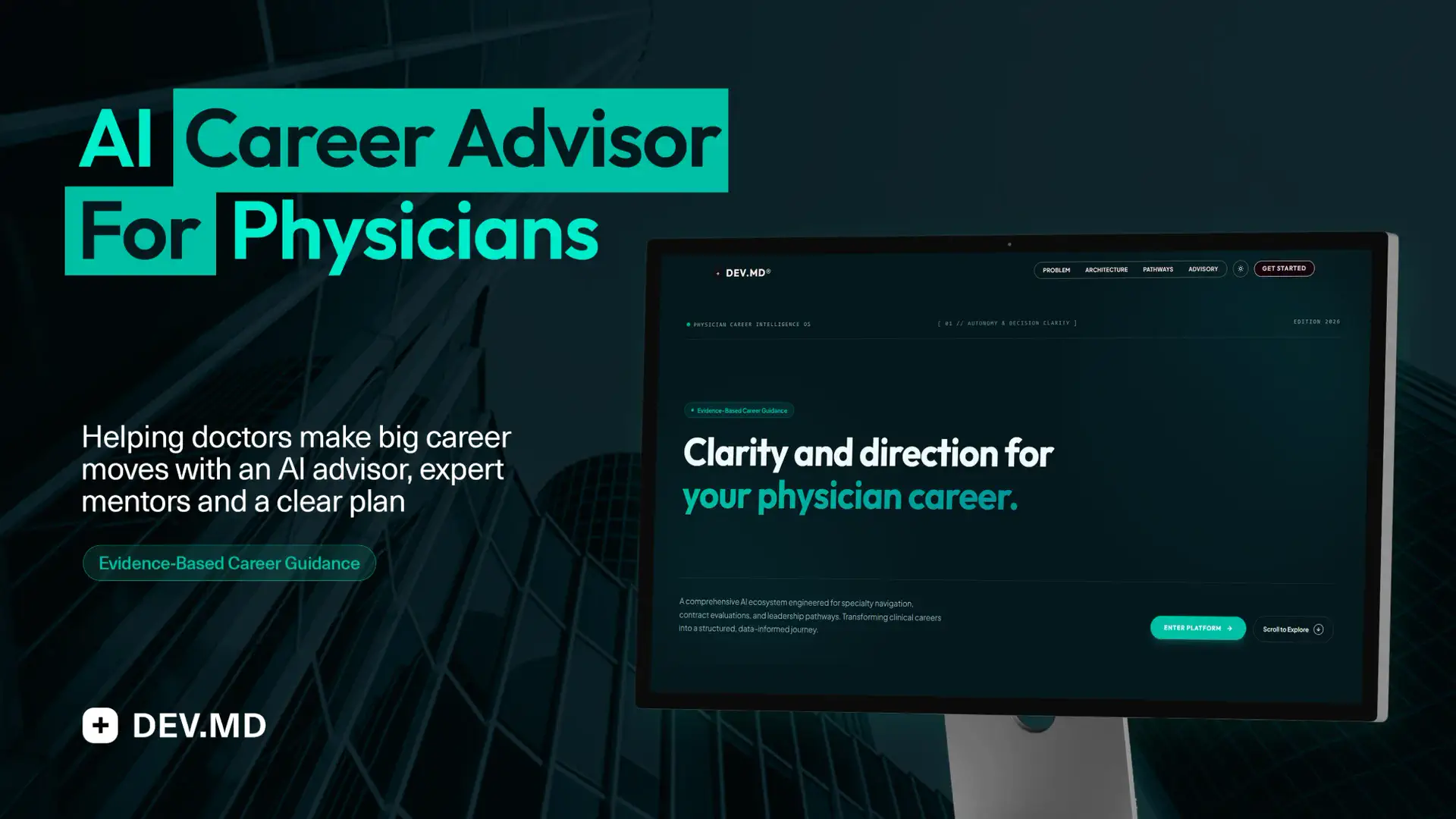
DevMD
AI-Powered Physician Career Enablement Platform
An AI career platform for physicians with job matching and an expert network, shipped as a first product before a large internal AI team existed.
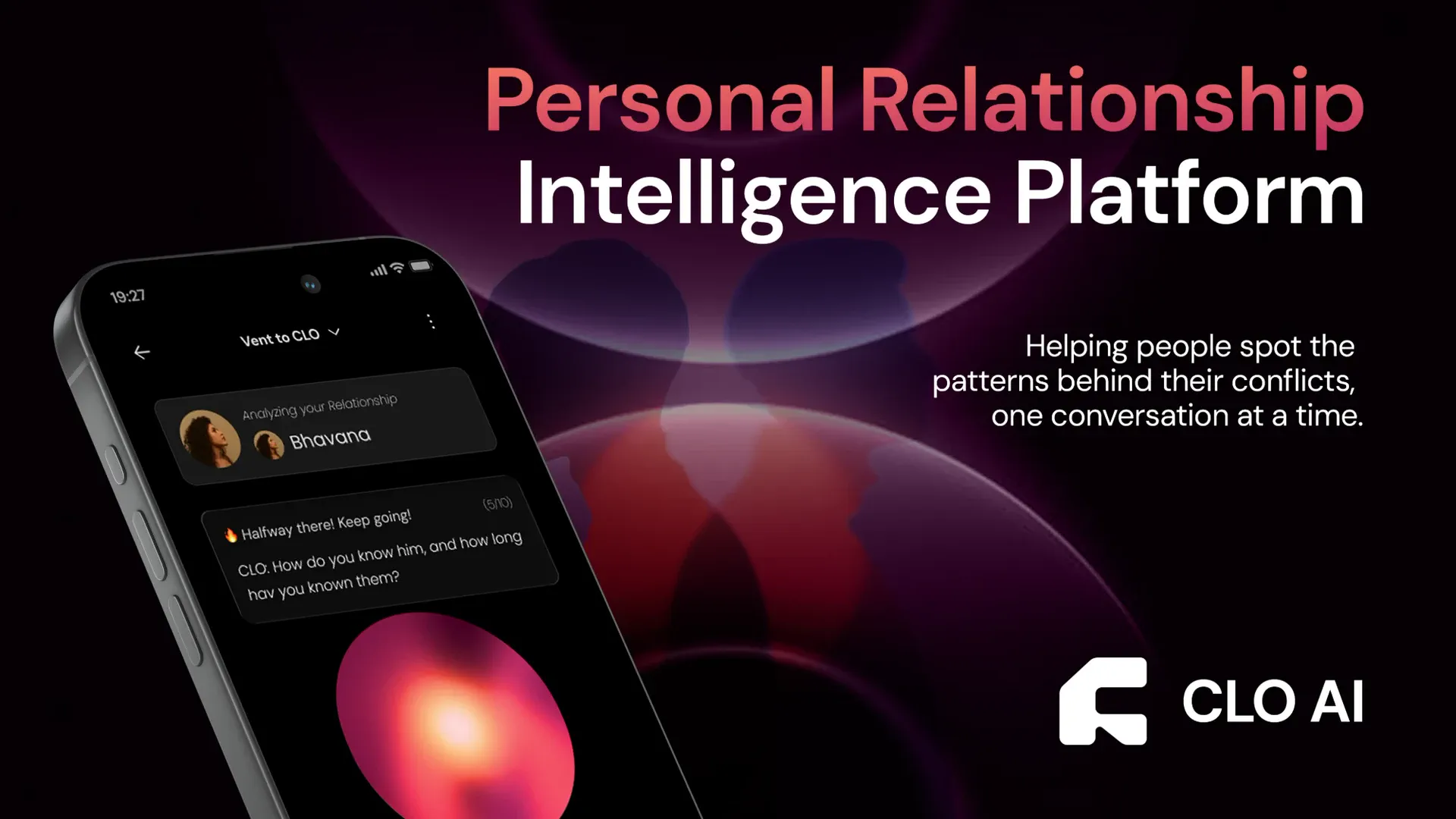
CLO
Voice-First Relationship Intelligence Platform
A voice-first relationship intelligence product with emotional pattern analysis and context memory, built as one AI system across several skills.
Questions on this decision
The short version of the same choice, in the phrasing people use when they ask.
01Is one AI engineer enough to build an AI product?
Rarely. A production AI product needs data pipelines, retrieval, model integration, a backend, an interface, and monitoring. One person can prototype it. Shipping and running it usually needs a team, either hired or from a partner.
02Can a partner train our team while it builds?
Yes. Corpvance can work inside your repositories and review process, so your engineers see each decision. A written handover, an architecture walkthrough, and a support window let them take the system over.
03When should we move AI work in-house?
When the AI product is proven, the roadmap is continuous, and you can hire someone to lead it. At that point the partner should hand over the code, the evaluation set, and the documentation, and stay only for a specific gap.