AI Proof of Concept vs Production AI
The same decision, one row at a time. Use the row that matches the constraint you actually have.
| Focus | A production AI system | A proof of concept |
|---|---|---|
| Question it answers | A production AI systemCan users depend on this every day, at a cost the business accepts? | A proof of conceptCan a model do this task with our data at all? |
| Data | A production AI systemLive sources, refreshed on a schedule, filtered by permissions. | A proof of conceptA fixed sample, often exported by hand. |
| Quality control | A production AI systemAn evaluation set, monitoring, and a fallback when the model is unsure. | A proof of conceptSomeone reviews the outputs and judges them. |
| Users | A production AI systemAuthenticated users with roles, audit logs, and support. | A proof of conceptThe project team and a few reviewers. |
| Best fit | A production AI systemA task that is proven and has to run inside a real workflow. | A proof of conceptA task where nobody knows yet if the model is accurate enough. |
Pick the side that matches the job.
Both options are legitimate. The mistake is buying one when the work has the shape of the other.
Build for production when
- A pilot, a competitor, or your own test already shows the task works.
- Real users will rely on the output for decisions or customer work.
- The system needs your permissions, your data sources, and your tools.
- Cost per answer and response time have limits the business can name.
Start with a proof of concept when
- Nobody has tested whether a model can do the task with your data.
- The decision to invest depends on a measured result.
- You can collect real examples and an expert can judge the output.
- The test can finish in weeks, with a clear pass or fail.
Three checks that settle the decision.
- 01
Write the pass criteria before the test
Name the accuracy, speed, and cost that make the idea worth building. A proof of concept without criteria always looks promising and never decides anything.
- 02
Test on real data, not clean samples
Use the messy documents and the hard cases your team actually sees. A model that works on curated examples can fail on the first real week.
- 03
Ask what carries over to production
A good proof of concept leaves an evaluation set, a data pipeline, and an architecture decision. A throwaway notebook leaves only a slide.
When Corpvance is the wrong fit. A one-page marketing site, a staffed seat with no product to ship, or a request that is only design, only advertising, or one integration with no product around it.
Systems that match this kind of decision.
Each card links to the full case study. The reason is why that project belongs on this question.
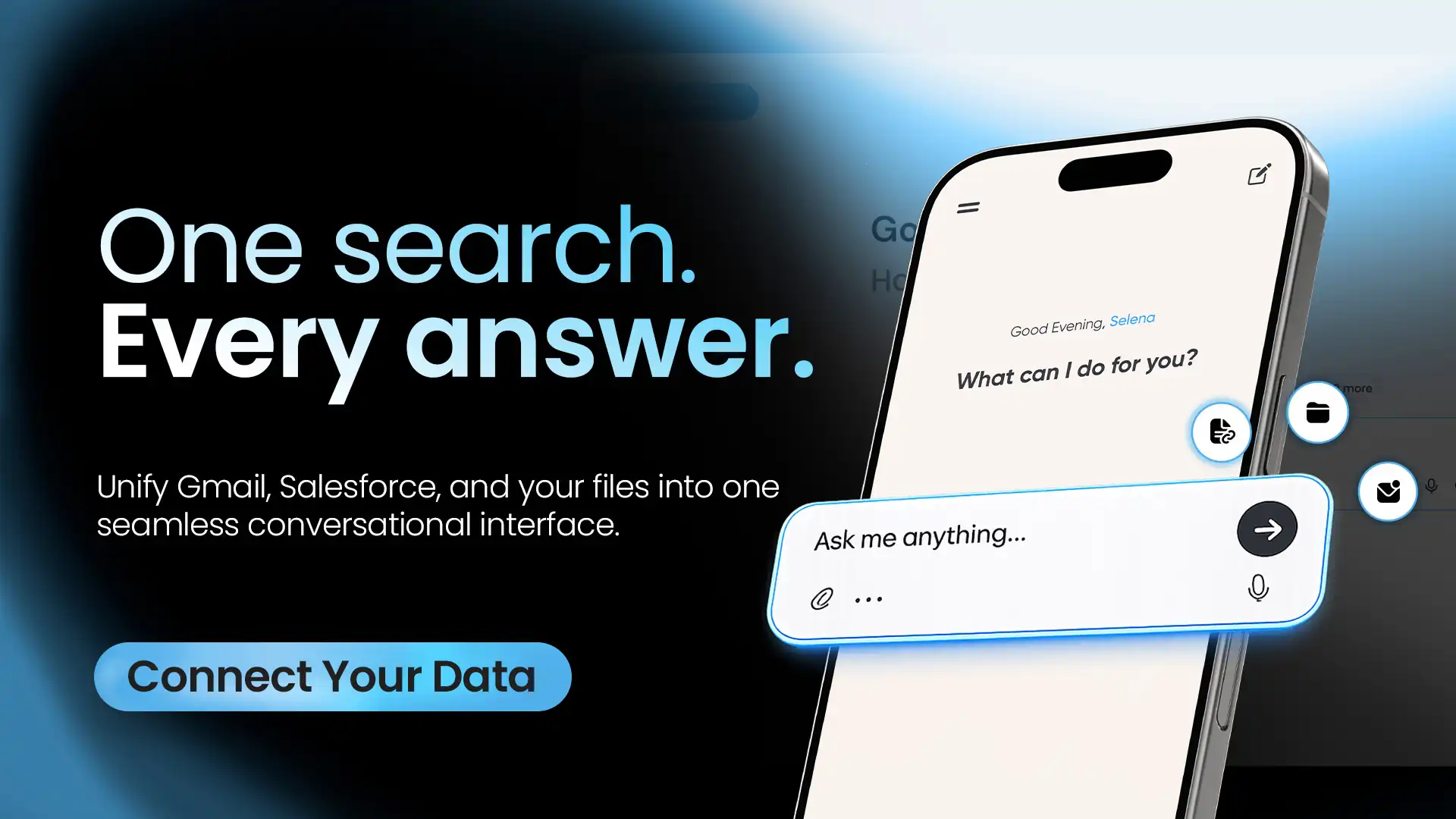
818 Digital
Conversational AI Operating System
A production AI workspace connected to enterprise sources, several AI models, and OCR, which is the work that comes after a proof of concept.
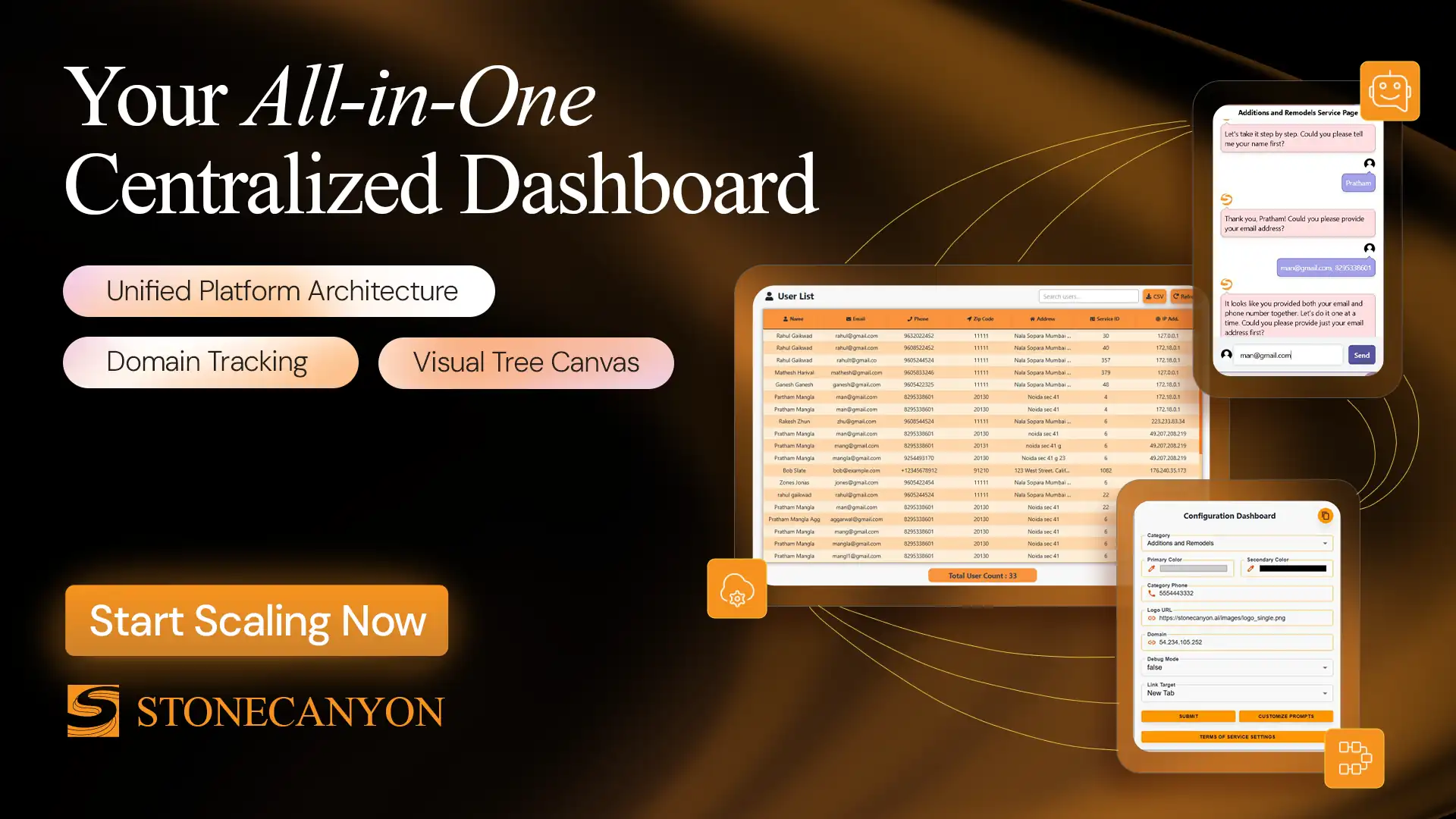
StoneCanyon
Centralized Chatbot Infrastructure
Chatbots built, deployed, and measured across many websites, with the management and analytics that a demo does not need.
Questions on this decision
The short version of the same choice, in the phrasing people use when they ask.
01How long should an AI proof of concept take?
Weeks, not months. The goal is one measured answer: can the model do this task with this data at an acceptable quality. If the test needs months, the scope is too wide, or it is already a production build.
02Why do AI proofs of concept fail to reach production?
Usually because the test used clean samples, had no pass criteria, or ignored permissions, cost, and live data. The demo worked, but nothing in it could carry over. Plan the evaluation set and the data path in the proof of concept, and most of that gap closes.
03What does a production AI system need that a prototype does not?
Authentication and roles, retrieval over live data, an evaluation set, monitoring, cost limits, a fallback when the model is unsure, and logs a team can audit. Those parts are most of the work, and they are the reason the system can be trusted.