Fixed-Price vs Time-and-Materials Contracts
The same decision, one row at a time. Use the row that matches the constraint you actually have.
| Focus | Time and materials | Fixed price |
|---|---|---|
| Who carries estimate risk | Time and materialsYou. You pay for the time the work actually takes. | Fixed priceThe vendor, who adds a margin to cover it. |
| Changes to scope | Time and materialsReprioritize at any point, inside the agreed budget. | Fixed priceEach change is a change request with a new price. |
| Budget control | Time and materialsThrough a cap, a sprint budget, and regular reports. | Fixed priceThrough the contract price, if the scope stays fixed. |
| Incentives | Time and materialsSpend each week on the most valuable work. | Fixed priceFinish the written scope, even if the need has changed. |
| Best fit | Time and materialsA new product, an AI system, or work that depends on user feedback. | Fixed priceA migration, an integration, or a well-specified feature. |
Pick the side that matches the job.
Both options are legitimate. The mistake is buying one when the work has the shape of the other.
Choose time and materials when
- The product will change after the first users see it.
- AI quality, data, or integrations hold unknowns you cannot price yet.
- You want to reprioritize every few weeks without a new contract.
- You can review progress often and decide what comes next.
Choose fixed price when
- The scope is written, detailed, and unlikely to change.
- Procurement or the board requires one fixed number.
- The work resembles something the vendor has already delivered.
- You accept paying a margin for price certainty.
Three checks that settle the decision.
- 01
Pay for discovery before you pick the model
A short discovery produces the scope either contract needs. Without it, a fixed price is a guess with a margin, and time and materials has no baseline.
- 02
Put a cap on time and materials
Set a budget per phase, a reporting rhythm, and the right to stop. Flexibility without a cap is the risk most buyers fear, and a cap removes most of it.
- 03
Read the change-request clause in a fixed price
Ask how changes are priced and how fast they are approved. A low fixed price with expensive changes can cost more than the flexible option.
When Corpvance is the wrong fit. A one-page marketing site, a staffed seat with no product to ship, or a request that is only design, only advertising, or one integration with no product around it.
Systems that match this kind of decision.
Each card links to the full case study. The reason is why that project belongs on this question.

House of Highways
AI Trip Companion for RV Travelers
Many third-party integrations, live data, and AI recommendations, the kind of scope that changes as each integration is proven.
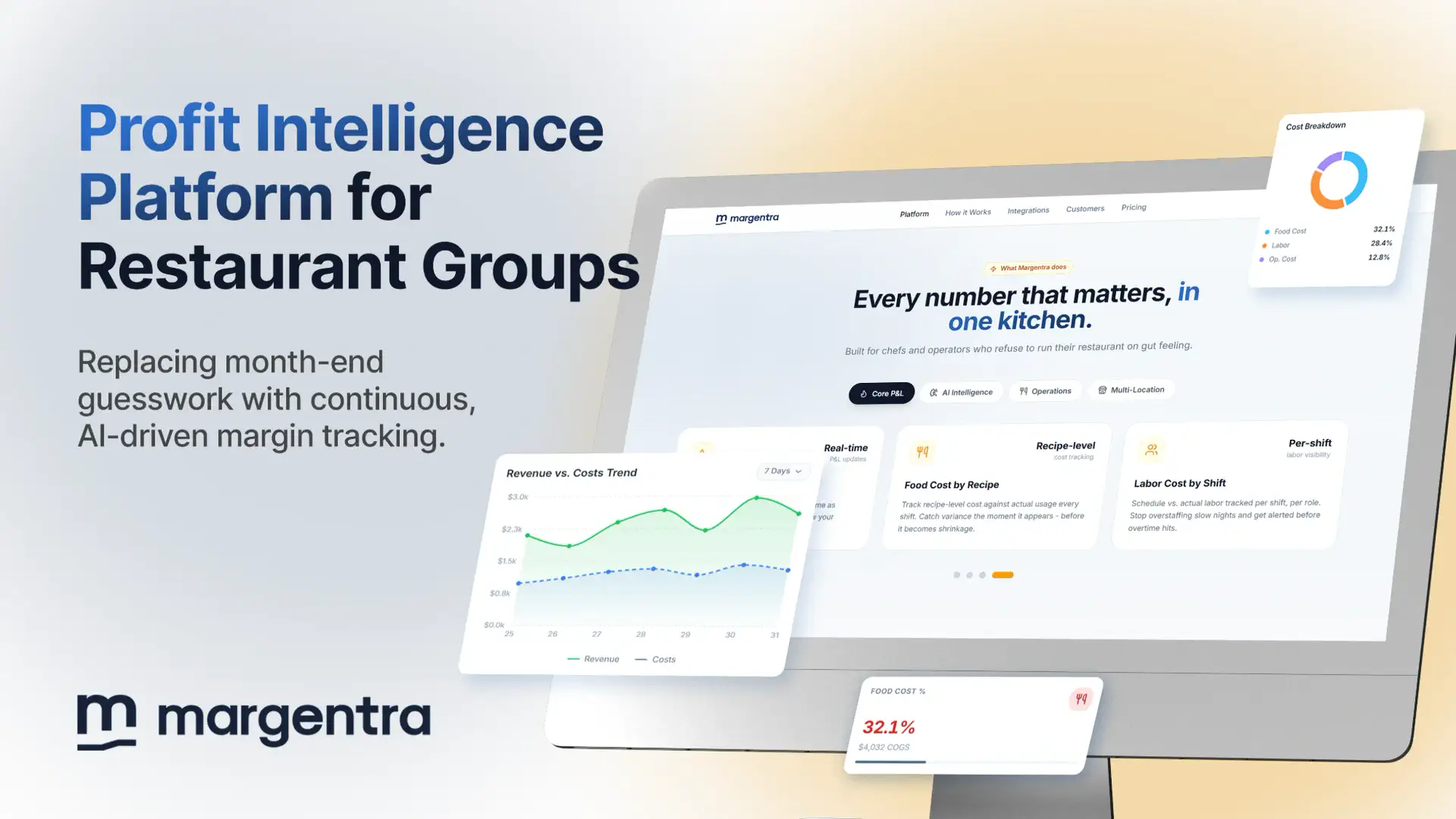
Margentra
Financial Operating System for Restaurants
A defined set of modules, from invoice capture to profit reporting, scoped in writing before the build.
Questions on this decision
The short version of the same choice, in the phrasing people use when they ask.
01Is a fixed-price contract safer for the buyer?
Only when the scope is clear and stable. The vendor prices the risk into the contract, and every change becomes a change request. For a product that will change after users see it, a capped time-and-materials budget is often safer.
02How do I control cost in a time-and-materials contract?
Set a budget cap per phase, agree on a reporting rhythm, review working software often, and keep the right to stop. Cost stays under control when you see progress every week, not only at the end.
03Can a contract mix fixed price and time and materials?
Yes. A common pattern is a fixed-price discovery, then a capped time-and-materials build, or fixed-price phases with flexible priorities inside each phase. The mix matters less than a written scope both sides agree on.