Rebuild vs Modernize Legacy Software
The same decision, one row at a time. Use the row that matches the constraint you actually have.
| Focus | Modernizing in slices | A full rebuild |
|---|---|---|
| Risk | Modernizing in slicesLower. The old system keeps running while each part moves. | A full rebuildHigher. The new system has to match years of behavior at launch. |
| Time to first value | Modernizing in slicesThe first slice can reach users in weeks or months. | A full rebuildUsers see value only when the new system replaces the old one. |
| Root problems | Modernizing in slicesFixed one area at a time, as each slice is replaced. | A full rebuildCan be removed at once if the new design is right. |
| Business continuity | Modernizing in slicesTeams keep working in the system they know. | A full rebuildNeeds a cutover plan, data migration, and training. |
| Best fit | Modernizing in slicesA system that works but is slow to change or hard to connect. | A full rebuildA system whose data model or platform cannot support the business. |
Pick the side that matches the job.
Both options are legitimate. The mistake is buying one when the work has the shape of the other.
Modernize when
- The core rules are correct, and users trust the results.
- The main problems are the interface, the speed, or the integrations.
- The business cannot stop while a replacement is built.
- You can move one workflow at a time behind a new API layer.
Rebuild when
- The data model cannot represent how the business works now.
- The platform or language is no longer supported or secure.
- Every change breaks something else, and tests cannot be added.
- The workflow itself is changing, so copying the old system adds no value.
Three checks that settle the decision.
- 01
Separate the rules from the code
Write down what the system does that users depend on. Those rules have to survive either path, and they are often hidden in old code.
- 02
Plan the data migration first
Data is usually the hardest part of leaving a legacy system. Map, clean, and test the migration early, whichever path you choose.
- 03
Retire something in the first phase
A modernization that only adds new parts keeps both costs. Each phase should switch off a piece of the old system.
When Corpvance is the wrong fit. A one-page marketing site, a staffed seat with no product to ship, or a request that is only design, only advertising, or one integration with no product around it.
Systems that match this kind of decision.
Each card links to the full case study. The reason is why that project belongs on this question.
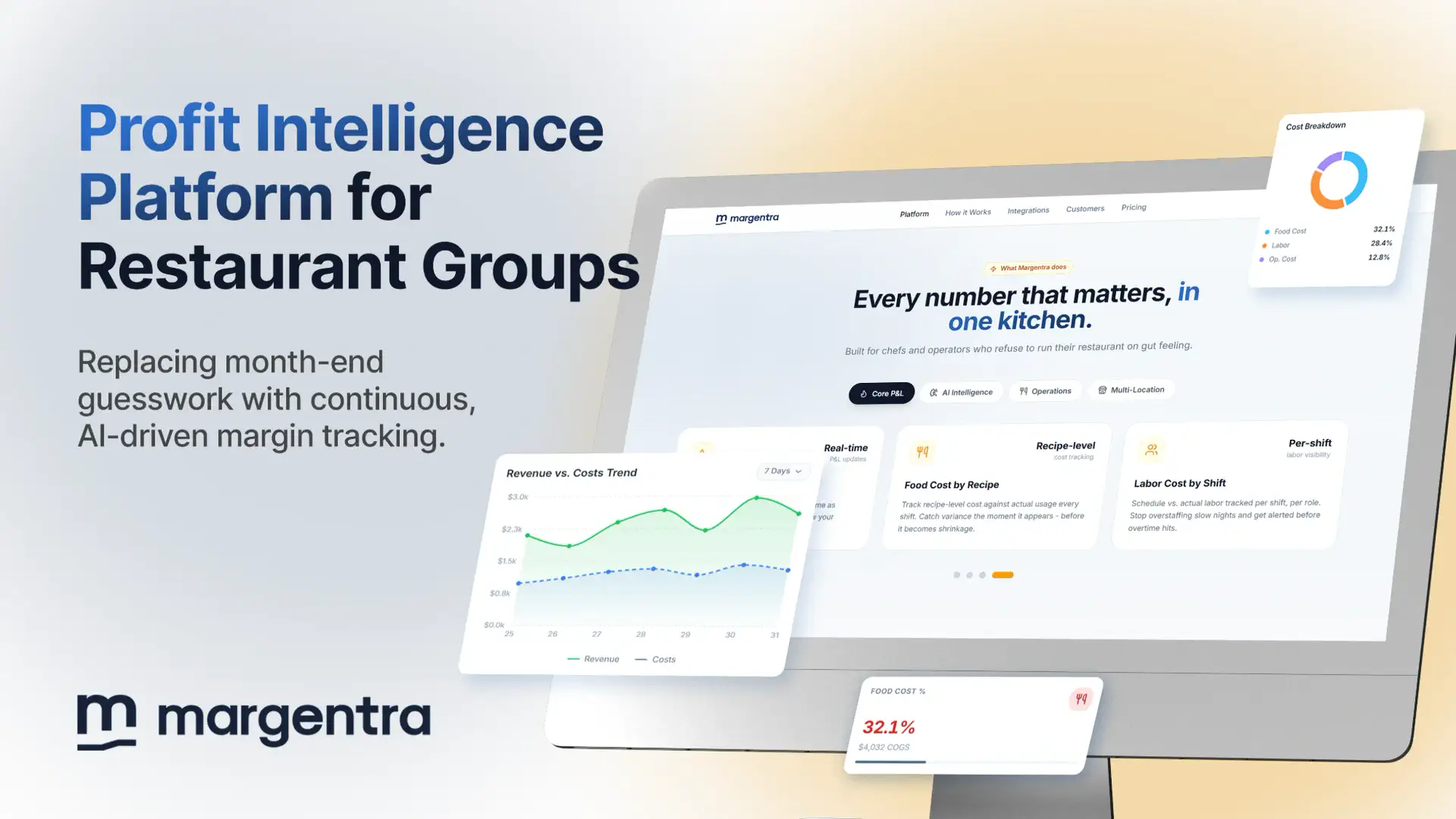
Margentra
Financial Operating System for Restaurants
Replaced POS exports, spreadsheets, and manual logs with one financial system for restaurants, workflow by workflow.
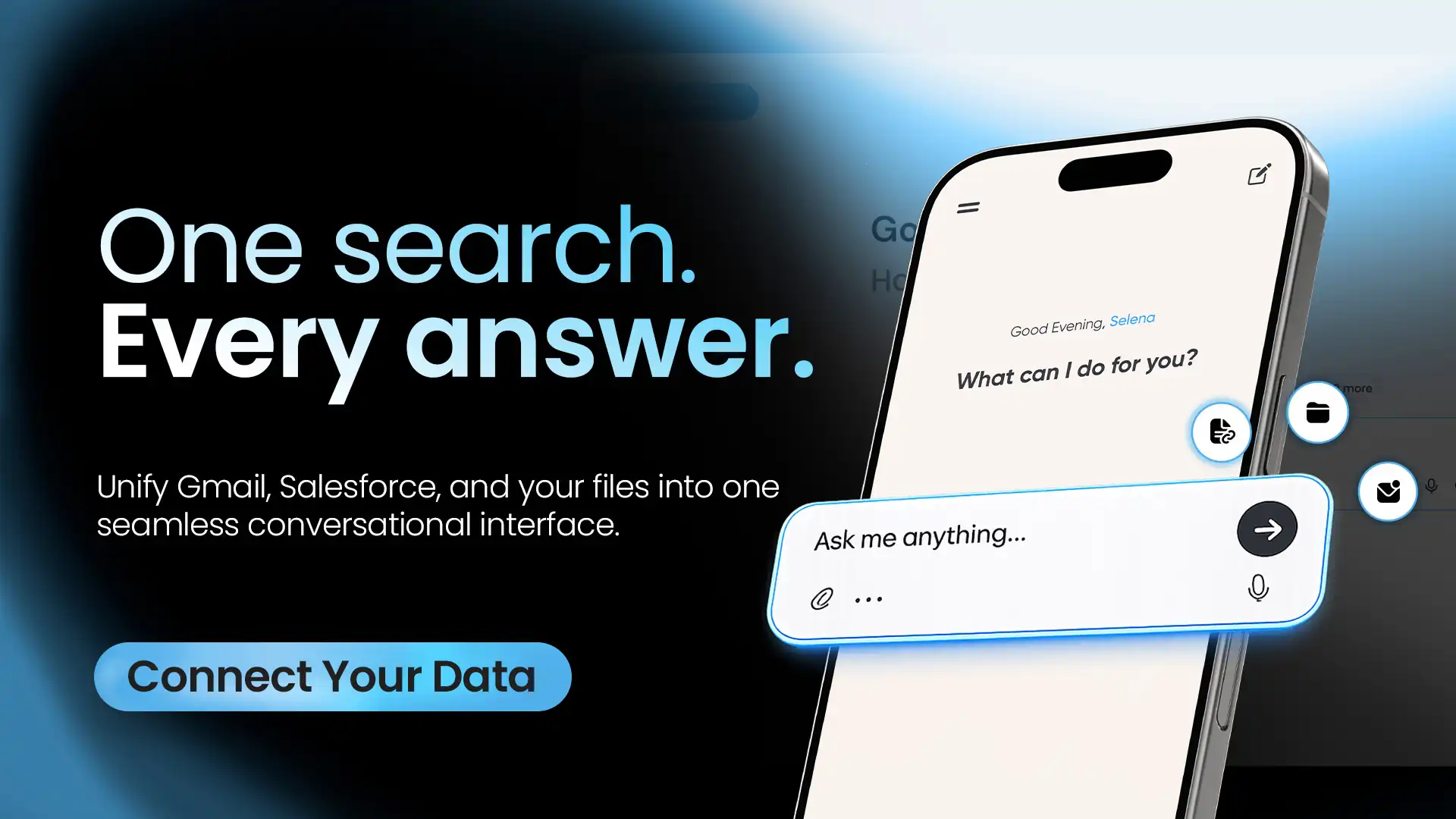
818 Digital
Conversational AI Operating System
One AI workspace in front of Google Workspace, Egnyte, Salesforce, and email, which modernizes access without replacing each system.
Questions on this decision
The short version of the same choice, in the phrasing people use when they ask.
01Why do full rewrites of legacy software fail?
Usually because the old system holds years of rules nobody wrote down, the data migration is harder than planned, and users see nothing until the end. Moving in slices, with the old system running, reduces all three risks.
02What is the strangler pattern?
A modernization method where a new layer sits in front of the old system. Each workflow moves to new code one at a time, and the old part is switched off after the new part is proven. Eventually nothing is left of the old system.
03Can AI help modernize a legacy system?
Yes, in specific ways. AI can help read old code, document hidden rules, and draft tests. It can also add a search or assistant layer over old systems, as 818 Digital does over enterprise tools. The migration plan and the testing still decide the result.